Why Your Basement Needs a Dedicated Dehumidifier
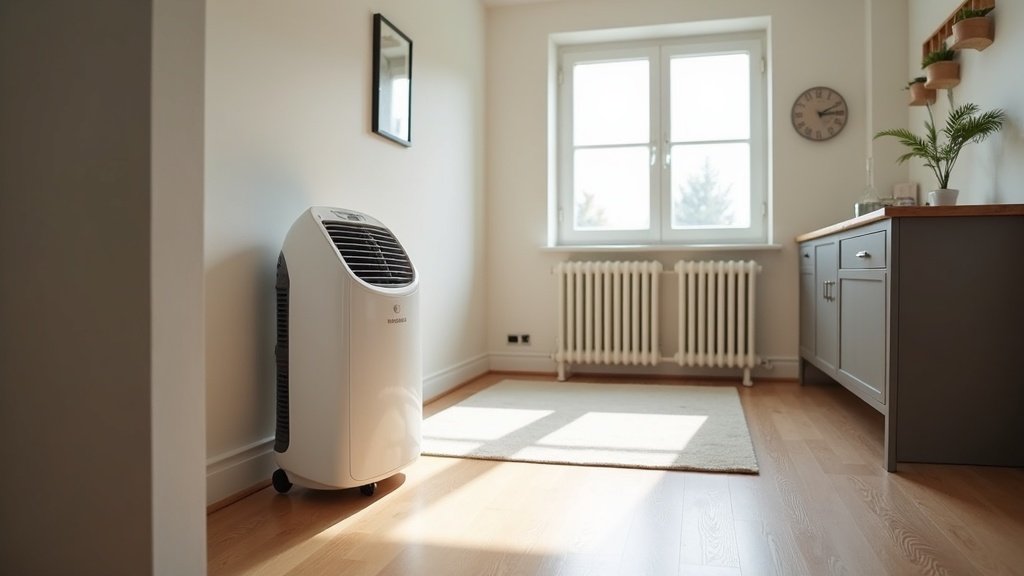
Basements are ground zero for moisture problems. Below-grade walls, limited ventilation, and proximity to groundwater create an environment where humidity levels can easily climb above 60 percent — the threshold where mold growth, musty odors, and structural damage begin to take hold.
A high-quality basement dehumidifier does more than just make the air feel less sticky. It protects your home’s foundation, prevents mold-related health issues, preserves stored belongings, and can even lower your energy bills by reducing the load on your HVAC system. The right unit runs quietly in the background, draining automatically, and keeping humidity locked in the safe 30-50 percent range year-round.
We researched the best basement dehumidifiers available in 2026, evaluating them on moisture removal capacity, continuous drainage options, noise levels, energy efficiency, and overall value. Here are our top seven picks.
Top 7 Basement Dehumidifiers Compared
| Product | Capacity (pints/day) | Coverage | Drain Option | Best For |
|---|---|---|---|---|
|
#1. Editor’s Pick |
50 | Up to 1,500 sq ft | Gravity + Pump | Best Overall |
|
#2. hOmeLabs HME020031N |
50 | Up to 1,500 sq ft | Gravity Drain | Best Value |
|
#3. Tosot 70-Pint with Pump |
70 | Up to 4,500 sq ft | Built-in Pump | Best for Large Basements |
|
#4. LG PuriCare UD501KOG5 |
50 | Up to 1,500 sq ft | Gravity Drain | Quietest Operation |
|
#5. GE ADEW50LW |
50 | Up to 1,500 sq ft | Gravity + Pump | Best Smart Features |
|
#6. Waykar 130-Pint Commercial |
130 | Up to 6,500 sq ft | Continuous Drain | Best Heavy-Duty |
|
#7. Midea MAD50C1ZWS |
50 | Up to 1,500 sq ft | Gravity Drain | Best Budget Pick |
In-Depth Reviews
1. Frigidaire FFAD5033W1 — Best Overall
#1. Frigidaire FFAD5033W1
Frigidaire has been a trusted name in home appliances for decades, and the FFAD5033W1 demonstrates why. This 50-pint dehumidifier consistently removes moisture efficiently while offering both gravity drain and optional pump connections for hands-free operation.
The unit features a top-mounted control panel with a digital humidity readout, a 24-hour timer, and three fan speeds. The washable filter is easy to access and clean, reducing maintenance costs over time. For most standard basements (up to 1,500 square feet), this is the dehumidifier that ticks every box without overcomplicating things.
Pros:
- Reliable 50-pint daily capacity handles most basements
- Continuous gravity drain option eliminates manual emptying
- Energy Star certified for lower operating costs
- Washable, reusable filter
- Quiet operation suitable for finished basements
Cons:
- Built-in pump not included (sold separately)
- Bucket is slightly smaller than competitors at 13.1 pints
2. hOmeLabs HME020031N — Best Value
#2. hOmeLabs HME020031N
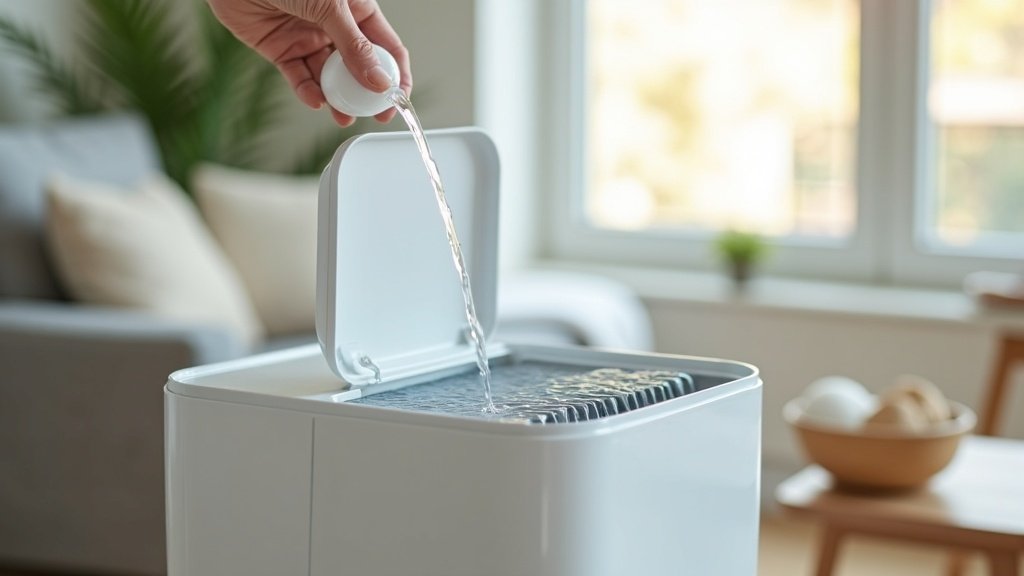
The hOmeLabs HME020031N is one of the best-selling dehumidifiers on Amazon, and for good reason. It delivers 50 pints of moisture removal per day at a price that undercuts most name-brand competitors by a significant margin. For budget-conscious buyers who still want reliable performance, this is the unit to beat.
The design is straightforward: a clean white body with a simple control panel, built-in humidity sensor, auto-shutoff when the 1.8-gallon tank is full, and a continuous drain port for garden hose connection. It lacks some premium features like Wi-Fi or a built-in pump, but it nails the fundamentals.
Pros:
- Excellent price-to-performance ratio
- 50-pint capacity competes with units costing much more
- Continuous drain port for set-and-forget operation
- Turbo mode for rapid moisture removal
- Over 30,000 positive reviews on Amazon
Cons:
- No built-in pump — drain relies on gravity
- Can be slightly louder than premium competitors
3. Tosot 70-Pint with Pump — Best for Large Basements
#3. Tosot 70-Pint with Pump
Large or exceptionally damp basements demand more capacity, and the Tosot 70-pint model delivers. Its built-in pump can push water vertically up to 15 feet through a drain hose, making it ideal for basements where the nearest drain or window is above the unit’s location.
At 70 pints per day, this unit handles basements up to 4,500 square feet with ease. The intelligent humidity control lets you set a target level, and the unit automatically cycles to maintain it. An internal pump means truly hands-free operation — no emptying buckets, no relying on gravity drainage placement.
Pros:
- 70-pint capacity handles large and very damp spaces
- Built-in pump lifts water up to 15 feet
- Covers up to 4,500 sq ft
- Auto defrost for operation in cooler basements
- Energy Star certified
Cons:
- Larger footprint takes more floor space
- Higher power consumption at 70-pint operation
4. LG PuriCare UD501KOG5 — Quietest Operation
#4. LG PuriCare UD501KOG5
If your basement doubles as a living space, home theater, or bedroom, noise matters. The LG PuriCare runs at just 44 dB on its lowest setting, making it one of the quietest 50-pint dehumidifiers available. You can hold a conversation, watch a movie, or sleep without noticing it running.
LG pairs that quiet operation with smart features through the ThinQ app. Monitor humidity remotely, get filter replacement alerts, and set custom schedules from your phone. The sleek design is a step above the typical utilitarian dehumidifier look.
Pros:
- Exceptionally quiet at 44 dB
- LG ThinQ app for smart control and monitoring
- Sleek, modern design for finished basements
- Auto-restart after power outages
Cons:
- Higher price point than similar-capacity units
- No built-in pump
5. GE ADEW50LW — Best Smart Features
#5. GE ADEW50LW
The GE ADEW50LW is built for the smart home era. Full Wi-Fi connectivity lets you control the unit through the SmartHQ app, and it integrates with both Amazon Alexa and Google Assistant. You can check humidity levels, adjust settings, and receive alerts all from your phone.
Beyond the smart features, the GE delivers solid performance: 50 pints per day, an optional condensate pump accessory, and an Energy Star rating. The 360-degree airflow design pulls humid air from all directions, which is particularly useful if the unit is placed in the center of a room rather than against a wall.
Pros:
- Full Wi-Fi with Alexa and Google Assistant support
- SmartHQ app with real-time humidity monitoring
- 360-degree air intake design
- Bucket-full alerts sent to your phone
Cons:
- Requires stable Wi-Fi in the basement for smart features
- Pump accessory sold separately
6. Waykar 130-Pint Commercial — Best Heavy-Duty
#6. Waykar 130-Pint Commercial
For seriously wet basements dealing with water intrusion, flooding history, or extreme humidity, a standard 50-pint unit might not cut it. The Waykar 130-pint commercial-grade dehumidifier is built for the toughest jobs, covering up to 6,500 square feet and pulling an impressive 130 pints of moisture daily.
This is the unit to choose when your basement has standing water after rain, visible condensation on walls, or humidity consistently above 80 percent. Continuous drain operation keeps it running nonstop, and the durable construction handles demanding conditions.
Pros:
- Massive 130-pint daily capacity
- Covers up to 6,500 sq ft
- Continuous drain hose included
- Auto defrost for cold basements down to 41°F
Cons:
- Loud operation — not suitable for living spaces
- Higher energy consumption
- Larger and heavier than residential models
7. Midea MAD50C1ZWS — Best Budget Pick
#7. Midea MAD50C1ZWS
The Midea MAD50C1ZWS rounds out our list as a reliable, affordable 50-pint dehumidifier that gets the job done without fuss. It features a simple control panel, adjustable humidity settings from 35 to 85 percent, and a continuous drain option using a standard garden hose.
Midea is one of the largest HVAC manufacturers in the world, so build quality and parts availability are not concerns. This unit is perfect if you want proven, no-nonsense dehumidification at a reasonable price.
Pros:
- Very competitive pricing
- 50-pint capacity from a major HVAC manufacturer
- Continuous drain option included
- Easy-to-clean filter
Cons:
- No Wi-Fi or smart features
- Basic design and controls
Basement Dehumidifier Buying Guide
Sizing: How Many Pints Do You Need?
Dehumidifier capacity is measured in pints of water removed per 24 hours. Here is a general sizing guide:
- 500-1,000 sq ft, moderately damp: 30-40 pints
- 1,000-1,500 sq ft, moderately damp: 40-50 pints
- 1,000-2,500 sq ft, very damp or wet: 50-70 pints
- 2,500+ sq ft or extremely wet: 70-130 pints
When in doubt, size up. An oversized dehumidifier reaches your target humidity faster and then cycles off, which can actually be more energy-efficient than an undersized unit running continuously.
Drainage Options Matter
No one wants to empty a water bucket every few hours. Look for units with continuous drainage. Gravity drain works if you can place the unit near a floor drain or sump pit. A built-in pump is ideal when the nearest drain is above the unit or across the room. Some models support both options.
Cold Basement Performance
Basements can drop below 65°F, which causes standard dehumidifier coils to frost up and stop working. Look for models with auto-defrost features that can operate effectively down to at least 41°F. This is especially important in northern climates during spring and fall.
Energy Efficiency
A basement dehumidifier often runs 24/7, especially during humid months. Energy Star certified models use significantly less electricity. Over a year of continuous use, the energy savings can easily pay for the price difference between a standard and Energy Star model.
Frequently Asked Questions
Q: What humidity level should I set my basement dehumidifier to?
A: Aim for 30-50 percent relative humidity. Below 30 percent can cause static electricity and dry out wood framing. Above 50 percent encourages mold growth and dust mites. Most experts recommend setting your dehumidifier to 45 percent as a balanced target for basements.
Q: Should I run my basement dehumidifier all the time?
A: In most climates, yes — especially during spring and summer when humidity is highest. Modern dehumidifiers with built-in humidistats will cycle on and off automatically to maintain your target humidity, so you can safely leave them running without wasting energy. In winter, you may be able to turn it off if natural heating keeps humidity below 50 percent.
Q: Can a dehumidifier help with basement flooding?
A: A dehumidifier helps with residual moisture and elevated humidity after flooding, but it cannot replace a sump pump for active water removal. If your basement experiences standing water, address the water source first (waterproofing, sump pump, grading), then use a dehumidifier to handle the remaining humidity.
Q: How often should I clean my basement dehumidifier?
A: Clean or replace the air filter every two to four weeks during heavy use. Wipe down the exterior and water bucket monthly. Inspect the drain hose for clogs quarterly. An annual deep clean of the coils with a soft brush or compressed air helps maintain peak efficiency and extend the unit’s lifespan.
Our Verdict
The
#1. Frigidaire FFAD5033W1
Check Price on Amazon is our top pick for most basements. It delivers reliable 50-pint performance, flexible drainage options, Energy Star efficiency, and proven Frigidaire durability at a fair price. For large or exceptionally wet basements, upgrade to the
#3. Tosot 70-Pint with Pump
Check Price on Amazon. And if budget is the primary concern, the
#2. hOmeLabs HME020031N
Check Price on Amazon offers outstanding value.
Investing in the right basement dehumidifier protects your home, your health, and your stored belongings for years to come. Set it up, connect the drain, and let it work silently in the background keeping your basement dry and comfortable.
You May Also Like
- Best Air Purifier for Allergies 2026: Top HEPA Filters Tested
- Best Air Purifier Under $100: 2026 Budget-Friendly Picks That Work
- Levoit vs Coway Air Purifier: Which Brand Wins in 2026?
- Best Air Purifier for Bedroom 2026: Top Picks for Clean Sleep
- Best HEPA Air Purifier for Large Room 2026: Expert Review

Home Product Expert
James is the founder and lead reviewer at The Home Picker. With over 8 years of experience in home product research and testing, he has personally evaluated hundreds of products — from robot vacuums and air purifiers to smart home devices. His reviews are based on hands-on testing, spec analysis, and real-world performance data. Read full bio →
James is the founder of The Home Picker. He has spent years researching and testing home products, from robot vacuums to smart home devices, to help readers make informed buying decisions. Learn more
For a closer look at the technology behind these picks, check out our Smart Home Buying Guide.
You May Also Like
- Best Air Purifier for Allergies 2026: Top HEPA Filters Tested
- Best Air Purifier Under $100: 2026 Budget-Friendly Picks That Work
- Levoit vs Coway Air Purifier: Which Brand Wins in 2026?
- Best Air Purifier for Bedroom 2026: Top Picks for Clean Sleep
- Best HEPA Air Purifier for Large Room 2026: Expert Review
- Best Smart Speakers in 2026: Echo vs Nest Audio vs Sonos Era 100
- Best Smart Home Hub in 2026: Alexa vs Google Home vs SmartThings

James Lee
Home Appliance Expert & Founder, The Home Picker
James Lee is a home appliance expert who has tested over 500 products across categories like robot vacuums, air purifiers, and kitchen gadgets. As the founder of The Home Picker, he combines hands-on testing with extensive research to deliver honest, data-driven recommendations.