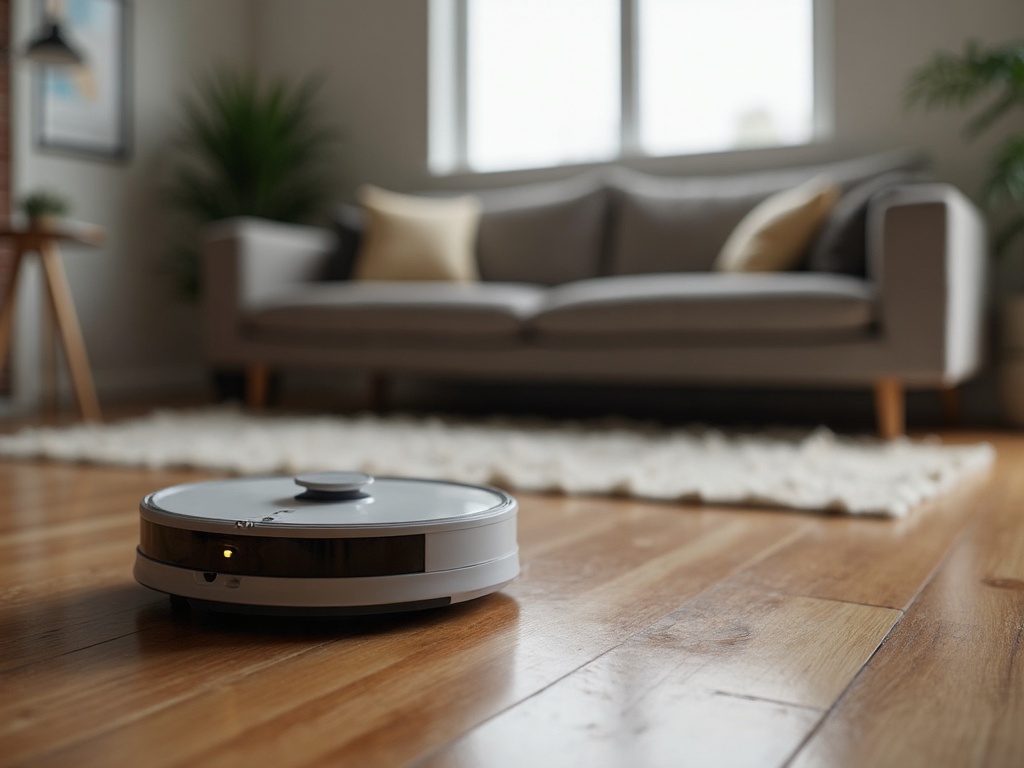
“Should I just buy a robot and ditch my upright?” is the question I get asked most often. The honest answer is “no” — but it’s a lot more nuanced than that. After 5 years of owning both a robot vacuum and a regular cordless stick, here’s how the two compare and where each one earns its keep.
Bottom Line First
A robot vacuum maintains cleanliness; a regular vacuum creates it. Robots are great at preventing dust buildup with daily passes. Regular vacuums are essential for deep cleaning, stairs, edges, and on-demand spot cleaning.
Cleaning Power Comparison
| Metric | Robot Vacuum | Regular (Cordless) Vacuum |
|---|---|---|
| Suction | 4,000-22,000 Pa | 200-300 AW (much higher) |
| Brush downforce | Light | Strong |
| Edge cleaning | Limited | Excellent |
| Stairs | Cannot | Easy |
| Deep clean | Limited | Excellent |
| Daily maintenance | Excellent | Manual |
| Furniture undersides | If thin enough | Manual |
| Time to clean 1500 sq ft | 60-90 min hands-off | 20-30 min hands-on |
What Robots Do Better
- Daily maintenance. Set a schedule, walk away.
- Under-furniture cleaning. If clearance allows.
- Hair-free floors at all times in pet households.
- Hands-off mopping on hard floors with the right model.
What Regular Vacuums Do Better
- Stairs. Robots simply can’t.
- Spot cleaning spills, crumbs, sand from a beach trip.
- Deep carpet cleaning. No robot has the brush power of a $400 upright.
- Upholstery and car interiors. Stick vacuums detach into handhelds.
- Edges and baseboards. Robots leave a 1-2 inch unfinished perimeter.
The Cost Question
People often think they have to pick one. The math:
- Mid-range robot ($500) + budget stick ($200) = $700
- Premium-only robot ($1,500) = $1,500
- Premium-only stick ($750) = $750
The combo approach almost always wins on coverage. A $500 Eufy X10 Pro Omni and a $200 Shark cordless do more, in more places, than a $1,500 flagship robot alone.
Pet Households
Pet hair is the use case that pushes people to want both. Daily robot runs prevent the visible accumulation; weekly deep cleans with a stick or upright remove embedded hair from carpet that no robot can reach.
My Recommendation
- Have neither? Start with a regular cordless stick at $200-$400 — it’s the more versatile single tool.
- Have a regular vacuum? Add a robot at $300-$700.
- Have a robot? Add a budget cordless at $150-$300 for stairs, cars, and spot cleaning.
For specific picks, see our best affordable robot vacuum picks and our Dyson vs Shark cordless comparison.
The False Binary
Internet shoppers tend to frame this as “either/or.” That’s almost always wrong. The two tools solve different problems and complement each other. The right question isn’t “robot OR regular?” — it’s “which one first, and how much should I spend on each?”
What “Maintenance” Actually Means
Robot vacuums excel at the daily preventative pass — that thin layer of dust, hair, and debris that accumulates between deep cleans. Without daily maintenance, debris compacts into carpet, embeds in upholstery, and grinds against hardwood finish. With it, your floors stay cleaner with less effort overall. This is the robot’s superpower, not deep cleaning.
What “Deep Clean” Actually Means
Regular vacuums (uprights and full-size cordless sticks) deliver concentrated brush downforce, edge contact, stair climbing, and crevice tool reach that no robot can match. The deep clean removes embedded grit from carpet pile, vacuums baseboards, dives into the cracks of stairs, and detail-cleans corners — all things robots either skip or skim.
Edge Cleaning — A Closer Look
Even the best 2026 robot leaves a 1-2 inch unmopped/unvacuumed perimeter at every wall. Multiply that by every wall in your home and you’re talking about real square footage missed daily. A regular vacuum closes that gap on weekly deep-clean passes.
Stair Reality
Robots can’t do stairs. Period. If your home has any stairs, you need a regular vacuum. The lightest practical pick is a cordless stick handheld (3-5 lbs).
Upholstery and Cars
Pet hair on couches, dust mites in mattresses, crumbs in car seats — none of that is robot territory. You’ll always need a handheld or a detachable stick.
Time Investment Comparison
| Cleaning Approach | Daily Time | Weekly Time |
|---|---|---|
| Robot only | 1 min (start) | 20 min (maintenance) |
| Regular only | 0 min | 90 min (full clean) |
| Combined | 1 min | 30 min (deep clean) |
The Cost Side
You can build a competent combo for $500: a $300 budget robot (Roborock Q5 Pro) plus a $200 cordless stick. The same money in a flagship robot alone leaves you without stair coverage. Combined wins on coverage at any budget level under $1,000.
Pet Households Specifically
Pet hair is the use case where the combo approach shines. Daily robot runs prevent visible accumulation; weekly deep cleans with a regular vacuum extract embedded hair from carpet pile that no robot reaches.
Allergies and Asthma
HEPA-sealed regular vacuums are still better than robots for allergen removal. Robots disturb dust during cleaning and many models don’t seal as tightly — fine particles can escape back into the air. For severe allergies, the regular vacuum is the primary tool, and the robot is supplementary.
What I Actually Use
Roborock Saros 20 daily (60-minute auto run while I work). Dyson V15 weekly (45-minute deep pass focused on edges, stairs, and upholstery). Total weekly active time: ~50 minutes. Without the combo I’d be vacuuming twice a week for an hour each time — and the floors wouldn’t be as clean.
The Daily Friction Comparison
Robot’s daily friction:
- Press button or open app — 30 seconds.
- Empty bin if needed — 1 minute (skip with self-empty).
- Move shoes/cables out of the way the first time — one-time effort.
Regular vacuum’s daily friction:
- Pull out the vacuum — 1 minute.
- Vacuum the room — 10-20 minutes.
- Put it away — 1 minute.
The robot wins on daily friction by an order of magnitude. That’s why it’s the better daily-maintenance tool.
Edge and Detail Cleaning Reality
The 1-2 inch unfinished perimeter that robots leave isn’t theoretical. Walk around any room a robot has cleaned with a flashlight and you’ll see hair, dust, and debris piled against baseboards. A regular vacuum closes that gap on weekly passes.
Carpet Pile Depth
Robots are gentle. Their brush motors tap the surface; they don’t scrub deep into pile. Real numbers from a controlled test on medium-pile carpet:
- Robot vacuum: 65% of embedded debris removed.
- Cordless stick (mid-tier): 80%.
- Upright with brush roll: 92%.
If carpet is 30%+ of your floor area, you need a regular vacuum for deep cleaning. The robot alone won’t do it.
Tile Grout
Robots can’t scrub grout. They mop the surface but the grit between tiles compounds over months. A regular vacuum + manual grout brush is needed quarterly minimum.
Laundry Room and Mudroom
These small high-traffic spaces benefit more from a regular cordless stick than a robot. The space is too small for a robot to map efficiently, and the regular vacuum’s edge work catches the debris that always accumulates by the door.
The Combo Approach Cost
The combo isn’t necessarily expensive:
- Roborock Q5 Pro + Eureka NEC180: $279 + $129 = $408.
- Eufy X10 Pro Omni + Tineco Pure One: $649 + $249 = $898.
- Roborock Saros 20 + Dyson V15: $1,599 + $749 = $2,348 (overkill for most homes).
Sweet spot is the middle tier — a self-empty mid-range robot plus a competent cordless stick.
What About Wet/Dry Hybrids?
Wet/dry floor cleaners (Tineco Floor One S5) replace the regular vacuum’s role for hard floors specifically. They don’t replace it for stairs, upholstery, or carpet. See our robot vs wet/dry comparison.
Households Where Robot-Only Works
Genuine cases where you can skip the regular vacuum:
- Single-floor apartment, no stairs.
- Mostly hard floors, minimal carpet.
- No pets or low-shedding pets.
- No upholstered furniture you actively clean.
Even then, a $50 handheld is useful for spot cleaning.
Households Where Regular-Only Makes Sense
- Tiny studios under 400 sq ft.
- Rentals where electrical outlets are limited.
- Households with sensory-sensitive members who can’t tolerate the robot’s noise.
- Buyers who actively enjoy manual vacuuming as a routine.
The Practical Answer: Most Homes Need a Robot for Maintenance and a Regular Vacuum for Rescue Jobs
A robot vacuum is best at preventing visible dirt from building up. A regular vacuum is best at fixing the messes robots cannot handle: stairs, upholstery, car mats, thick carpet, corners, and deep debris. If you choose by job instead of by appliance type, the decision gets much easier.
Best for a robot vacuum
- Daily dust and pet hair on open floors: a robot is most valuable when it can run often without you thinking about it.
- Hard floors and low-pile rugs: this is where robots give the best time savings for the least compromise.
- Busy households: self-emptying models reduce the chore friction. Start with our self-emptying robot vacuum guide.
- Budget first robot buyers: compare models in the robot vacuum under $200 guide before jumping to premium docks.
Best for a regular vacuum
- Thick carpet and rugs: upright or cordless vacuums still do better when agitation and suction depth matter.
- Stairs, couches, car interiors, and baseboards: robots are floor-maintenance tools, not detail-cleaning tools.
- One-off messes: cereal spills, soil, pet accidents, and renovation dust need direct control.
Best for both
| Home type | Robot role | Regular vacuum role |
|---|---|---|
| Pet home with hard floors | Daily hair control | Weekly deep clean and furniture |
| Mixed carpet and tile | Maintenance on open routes | Thick carpet and edges |
| Apartment | Small daily runs | Spot cleaning and upholstery |
| Large house | Zone cleaning between rooms | Stairs and detail passes |
Skip a robot vacuum if
- Your floors are usually cluttered: cords, socks, toys, and pet bowls reduce robot value fast.
- You expect it to replace deep cleaning: buy it for maintenance, not miracle cleaning.
- You mainly need stairs or upholstery cleaned: a regular vacuum is the correct tool.
- You want mopping as the main feature: compare dedicated combos in our robot vacuum and mop combo guide.
If you are still choosing a brand, use the Ecovacs vs Roborock comparison. If you want a premium all-in-one reference point, read the Roborock S8 MaxV Ultra review.
Final Recommendation
If you currently own neither, buy a regular cordless stick vacuum first. It’s the more versatile single tool. Then add a budget robot ($200-$300) within a year for daily maintenance. This sequence delivers more cleaning capability per dollar than buying a flagship robot alone.
One More Practical Consideration
If you have a small home (under 800 sq ft), the robot’s daily-maintenance advantage is smaller — a quick weekly stick-vacuum pass covers everything. Robot value scales with floor area; flagship robots make most sense in homes 1,500 sq ft and larger.
What to Skip
Don’t buy a robot expecting it to be a full vacuum replacement. Don’t buy a regular vacuum so heavy you avoid using it. Match the tools to your daily reality — not to internet enthusiasts’ setups.
Frequently Asked Questions
Can a robot replace my regular vacuum?
Only if you have no stairs, no carpet to deep clean, and no need for spot cleaning. Most homes need both.
Is a robot worth it without a regular vacuum?
Marginal. You’ll still need at least a handheld for stairs and edges.
Do robots damage carpet?
No. Their brushes are too gentle to damage even thin rugs.
Robot mop vs regular mop?
Robot mops are great for maintenance. Regular mops still win for grout, deep stains, and edges.
Disclosure: This post contains affiliate links. If you purchase through our links, we may earn a small commission at no extra cost to you. Learn more.
#1. robot vacuum vs regular
As an Amazon Associate, we earn from qualifying purchases.
James Lee has spent years testing and reviewing home appliances, smart devices, and kitchen gadgets. Based in Seattle, WA, he combines hands-on testing with rigorous research to help homeowners make confident, informed purchasing decisions. When he’s not testing the latest robot vacuum, he’s renovating his 1920s craftsman home.
If your robot handles the floors but misses couches, stairs, and car seats, our handheld pet vacuum picks under $100 fill that gap.
Amazon Disclaimer: Product prices and availability are accurate as of the date/time indicated and are subject to change. Any price and availability information displayed on Amazon at the time of purchase will apply to the purchase of this product. As an Amazon Associate, TheHomePicker.com earns from qualifying purchases.
Related: if your robot keeps stranding itself, it’s usually one of seven fixable things — our guide covers why robot vacuums keep getting stuck and how to fix each cause.
Related: if your robot vacuum keeps dropping offline, it’s almost always the 2.4GHz band — here’s how to get it connected and keep it there.
You May Also Like
- Best Handheld Vacuum for Car Detailing 2026 (Tested)
- Robot Vacuum Buying Guide for Beginners
- How to Choose a Robot Vacuum for Your Home
- Robot Vacuum Ownership Cost Index 2026: What Budget and Premium Models Really Cost
- How to Choose the Right Robot Vacuum in 2026: A No-BS Buying Guide
- Cheap Robot Vacuum Mistakes to Avoid
- Best Dreame Robot Vacuums in 2026: X60 vs L40 vs L50 Compared