
A wet dry vacuum – sometimes called a vacuum-mop or floor washer – does in one pass what used to take a stick vacuum and a mop bucket. It suctions up dry crumbs and pet hair while simultaneously scrubbing sealed hard floors with clean water, then it self-cleans its own roller when you dock it. For anyone with a lot of hardwood, tile, laminate, or luxury vinyl plank (LVP), it is one of the few appliances that genuinely earns its counter space.
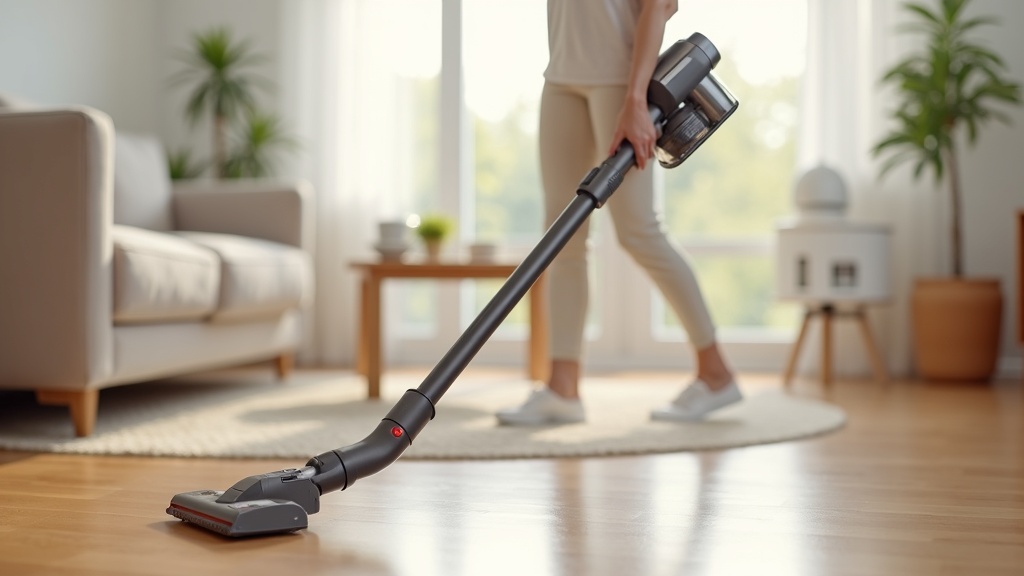
The catch is that this category has gotten crowded fast, and the marketing gets loud. Runtime claims, suction numbers, and ‘steam’ badges are thrown around without much context. We spent time cross-referencing manufacturer spec sheets, current retail listings, and independent test reviews to sort out which machines are actually worth buying in 2026 – and, just as important, which use case each one fits. Below are five models that are all currently sold and backed by real, verifiable specs.
Quick comparison
| Model | Power type | Best for | Runtime | Standout feature |
|---|---|---|---|---|
| Tineco Floor One S7 Pro | Cordless | Best overall | Up to ~40 min | iLoop smart sensor + fast-drying squeegee |
| Dreame H14 Pro | Cordless | Cleaning under furniture | Up to ~40 min | Lies flat 180° for low clearance |
| Bissell CrossWave X7 Cordless Pet Pro | Cordless | Pet homes & low-pile rugs | Up to ~30 min | Turbo Pet mode + area-rug mode |
| Tineco Floor One S5 | Cordless | Budget / lightweight | Up to ~35 min | Smart sensor at a lower price |
| Bissell CrossWave HydroSteam Plus | Corded | Large homes + sanitizing | Unlimited (corded) | Vacuum, wash and steam together |
1. Tineco Floor One S7 Pro – Best Overall
The Tineco Floor One S7 Pro is the model most reviewers keep landing on as the default recommendation, and it is easy to see why. Its headline feature is the iLoop smart sensor, which reads how dirty the floor is in real time and dials suction and water flow up or down automatically. In practice that means you are not soaking a lightly dusty floor or under-cleaning a sticky spill – the machine meters itself, and the 3.6-inch LCD shows you what it is doing.
It carries a 0.85L clean-water tank and a separate 0.72L dirty-water tank, so clean and dirty water never mix, and it reaches roughly 40 minutes of runtime on a full charge (enough for most single-floor cleans). The dual-sided edge design gets the roller close to baseboards on both sides, and the self-cleaning cycle rinses the brush with hot air drying so it does not sit damp and smelly in the dock. Independent testers consistently note that it leaves hard floors dry within a couple of minutes, which is the difference between walking on your floor again quickly and tiptoeing around a wet room.
At around 11.5 lbs it is not featherlight, but the self-propelled roller does most of the pushing. If you only buy one machine and want it to just work, this is it.
2. Dreame H14 Pro – Best for Cleaning Under Furniture
Most vacuum-mops force you to choose between reaching under the couch and reaching the baseboards. The Dreame H14 Pro is built around solving the first problem: the handle reclines until the head lies flat at 180°, letting you slide it under beds, sofas, and low cabinets that other uprights simply cannot fit beneath. It is the single most useful design change in this category in the past year.
It is not a gimmick model, either. Dreame rates it at 18,000 Pa of suction driven by a high-speed motor, and like the Tineco it washes its own roller with hot water (around 140°F) and then dries it with warm air, so the brush stays fresh between uses. Reviewers who have logged serious hours with vacuum-mops have called it one of the most impressive they have tested, and it typically undercuts the flagship Tineco on price while matching it on cleaning.
If your home has a lot of low furniture – or you simply hate that strip of grime that always builds up just out of reach – the H14 Pro is the smart buy.
3. Bissell CrossWave X7 Cordless Pet Pro – Best for Pet Homes
The Tineco and Dreame machines are excellent on bare floors but generally are not meant for rugs. The Bissell CrossWave X7 Cordless Pet Pro is the exception here: alongside its Hard Floor mode it has a dedicated Area Rug mode and a Turbo Pet mode, and its more aggressive brushroll can freshen up low-pile rugs while it vacuums – a genuinely different capability rather than a marketing line.
It is aimed squarely at pet owners. There is a specialized pet formula and brushroll, LED headlights to spotlight hair and dirt along baseboards, and a two-tank system that keeps the dirty water (and pet mess) separate from the clean solution. Runtime lands around 30 minutes, and the WiFi-enabled version (model 3279) connects to the Bissell Connect app for care reminders. At roughly 10.5 lbs it is one of the lighter machines here.
If you share your floors with a shedding dog or cat and want one tool for both your hard floors and the rug in the living room, the X7 is the most versatile pick on this list.
4. Tineco Floor One S5 – Best Budget Pick
You do not have to spend flagship money to get a smart, capable floor washer. The Tineco Floor One S5 is the previous-generation sibling of the S7, and it keeps the parts that matter: the iLoop dirt sensor that adjusts suction automatically, a digital display, two-tank water separation, and a self-cleaning dock. It gives up some of the S7’s refinements – runtime is a bit shorter (in the 35-minute range) and edge cleaning is single-sided – but for regular upkeep on hard floors it does the core job well.
It is also noticeably lighter and more maneuverable than the bigger machines, which makes it a good fit for apartments and smaller single-level homes. Because it is an older model, it frequently goes on sale well below its list price, which is what makes it the value champion here. If you are new to the category and not sure you want to commit to a top-tier machine, the S5 is the low-risk way in.
5. Bissell CrossWave HydroSteam Plus – Best Corded Option for Large Homes
Every cordless machine on this list eventually stops for a recharge. If you have a big single-level footprint – think 2,000+ sq. ft. of hard floors – a corded unit removes that limit entirely, and the Bissell CrossWave HydroSteam Plus is the one to get. It vacuums, washes, and applies steam at the same time, and Bissell credits the added heat with tackling tough, sticky messes more effectively than washing alone.
It uses the same two-tank technology to keep clean and dirty water apart, and it is rated for sealed hard surfaces – tile, sealed wood, laminate, linoleum, and similar flat floors. Because it draws constant wall power rather than a battery, it maintains steady suction across a long cleaning session without the fade you sometimes feel as a cordless pack drains. The trade-off is obvious: you are tethered to an outlet and managing a cord. For a large open floor plan where runtime anxiety is the real enemy, that is a trade many people happily make.
How to choose a wet dry vacuum
Confirm your floors are sealed. These machines are for sealed hard surfaces: sealed hardwood, tile, laminate, LVP, linoleum, and vinyl. They are not for unsealed wood, and they are not carpet cleaners – only the Bissell CrossWave line is designed to also refresh low-pile rugs. Standing water on an unsealed floor will cause damage, so check your flooring first.
Match runtime to your space. Cordless models here run roughly 30 to 40 minutes. That is plenty for a typical apartment or one floor of a house, but if you are cleaning a large area in one go, either plan around the recharge or choose the corded CrossWave.
Prioritize self-cleaning and drying. The feature that most affects whether you keep using a vacuum-mop is how it handles its own roller afterward. Models that rinse the brush and dry it with hot air stay fresh; ones that do not can develop odor. Every cordless pick above self-cleans, which is not a coincidence.
Think about edges and clearance. If baseboards and corners bother you, look for dual-sided edge cleaning (the S7 Pro). If reaching under furniture matters more, the lie-flat Dreame H14 Pro is purpose-built for it.
Remember the running costs. Rollers and filters wear out and need periodic replacement, and most manufacturers recommend their own floor-cleaning solution. Factor a little ongoing spend into the decision, the same way you would with any appliance that touches water.
Frequently asked questions
Can I use a wet dry vacuum on hardwood floors?
Yes, as long as the hardwood is sealed. These machines release only a small amount of water and immediately suction most of it back up, so floors are damp rather than soaked and typically dry within a couple of minutes. Avoid using them on unsealed or waxed wood, where any moisture can cause damage.
Is a wet dry vacuum better than a robot vacuum-mop?
They solve different problems. A robot vacuum-mop is about hands-off maintenance and daily light passes. A cordless wet dry vacuum gives you far more scrubbing power for sticky spills, dried-on messes, and a deeper weekly clean. Many people run both – the robot for upkeep, the floor washer when something actually needs scrubbing.
Do I have to use the brand’s cleaning solution?
Manufacturers recommend their own formulas because they are low-foaming and designed not to clog the pump or leave residue. You can often use plain water for light cleaning, but avoid random household cleaners or excess soap, which can create foam that interferes with the machine and voids some warranties.
How do I keep it from smelling?
Empty the dirty-water tank after every use, run the self-cleaning cycle, and let the roller dry fully. The models above that rinse the brush with hot water and dry it with warm air make this largely automatic, which is the main reason we favor self-cleaning designs.
As an Amazon Associate, we earn from qualifying purchases. TheHomePicker.com may earn a commission when you buy through links on this page, at no extra cost to you. Our picks are based on independent research of manufacturer specifications, current retail availability, and third-party testing – we only recommend products that are real and currently sold.
You May Also Like
- Best Robot Vacuum and Mop Combo
- Best Cordless Vacuum Under $300
- Best Steam Cleaner for Home Under $100
- Best Handheld Vacuum for Car Detailing
- Shark PowerDetect Transformer (2026): The 3-in-1 Vacuum That Shape-Shifts – What to Know
Also worth comparing: best steam mops and best carpet cleaners.