- Ring vs Blink: Which Amazon-Owned Camera System Wins?
- Quick Comparison Table
- Video Quality and Performance
- Storage: Cloud vs. Local
- Battery Life and Power Options
- Smart Features and Ecosystem
- Our Top Pick from Each Brand
- Who Should Buy Ring?
- Who Should Buy Blink?
- Frequently Asked Questions
- The Bottom Line
Ring vs Blink: Which Amazon-Owned Camera System Wins?
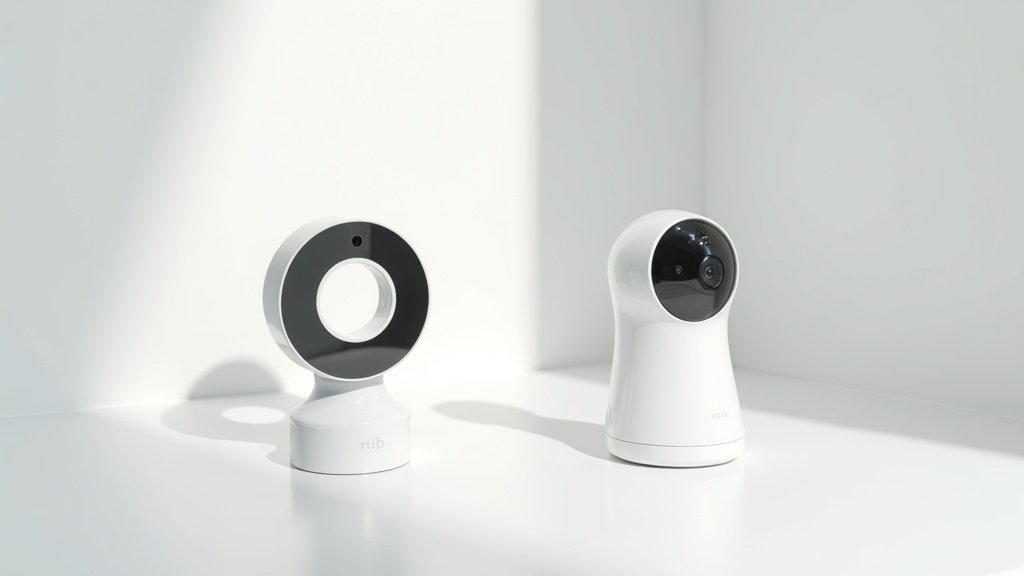
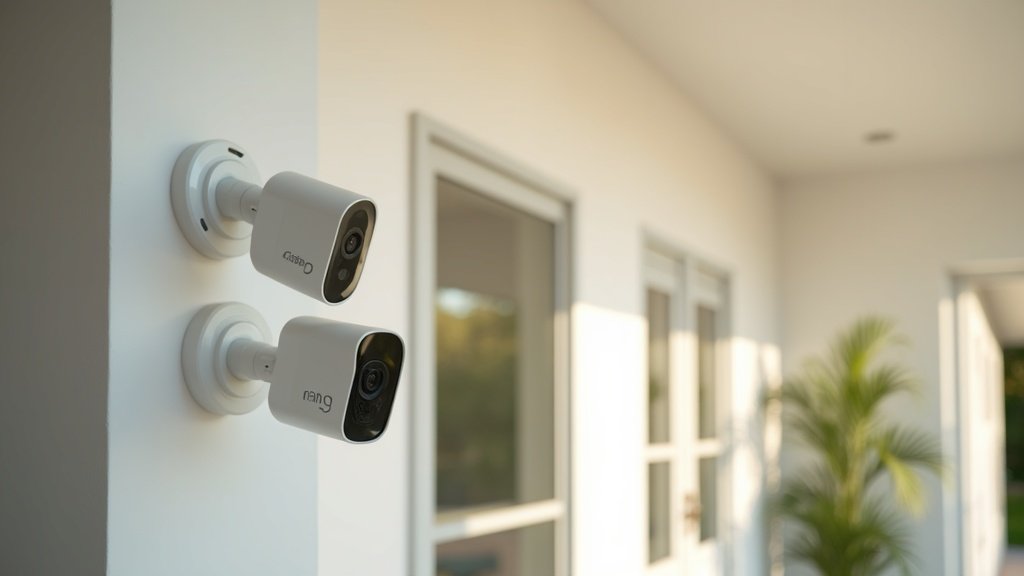
Choosing between Ring and Blink is one of the most common dilemmas for anyone looking to add smart security cameras to their home. Both brands are owned by Amazon, both work with Alexa, and both offer indoor and outdoor models. Yet they serve different types of buyers.
In this detailed comparison, we break down the key differences between Ring and Blink security cameras across video quality, storage options, subscription costs, power sources, smart features, and overall value. By the end, you will know exactly which system fits your home and budget.
Quick Comparison Table
| Feature | Ring (Stick Up Cam / Spotlight Cam) | Blink (Outdoor 4 / Mini) |
|---|---|---|
| Video Resolution | 1080p (up to 2K on Battery Doorbell Pro) | 1080p |
| Field of View | 130°–150° depending on model | 110°–143° depending on model |
| Night Vision | Color night vision (Spotlight models) / IR | Infrared night vision |
| Two-Way Audio | Yes, with noise cancellation | Yes |
| Power Options | Battery, wired, solar panel | 2 AA lithium batteries, USB-C (Mini) |
| Battery Life | 6–12 months (varies by usage) | Up to 2 years |
| Local Storage | No (cloud only) | Yes (USB drive via Sync Module 2) |
| Cloud Subscription | Ring Protect: $3.99/mo (1 cam) or $12.99/mo (unlimited) | Blink Plus: $2.99/mo (1 cam) or $9.99/mo (unlimited) |
| Smart Detection | Person, package, animal (with subscription) | Person detection (with subscription) |
| Alexa Integration | Deep — live view, announcements, routines | Good — live view, motion alerts |
| Best For | Comprehensive security ecosystem | Budget-friendly, low-maintenance setups |
Video Quality and Performance
Both Ring and Blink offer 1080p full HD video on their standard cameras. Ring edges ahead with select models like the Battery Doorbell Pro that record in 2K, and its Spotlight Cam series features color night vision thanks to built-in LED floodlights. Blink cameras rely on infrared for night vision, which produces a clear but monochrome image.
Ring’s wider field of view on most models (up to 150 degrees) also gives it an advantage if you need to cover a large area like a driveway or backyard. Blink’s field of view maxes out around 143 degrees on the Outdoor 4, which is still respectable.
In our testing, Ring produced slightly sharper daytime footage with better dynamic range, while Blink’s image quality was perfectly adequate for identifying faces and reading license plates at reasonable distances.
Storage: Cloud vs. Local

This is where the two brands diverge significantly. Ring is cloud-only. Without a Ring Protect subscription, you cannot save or review any video recordings. You can still get real-time motion alerts and live view, but there is no way to go back and watch footage.
Blink offers local storage through the Sync Module 2 with a USB flash drive. This means you can record motion clips to local storage without paying a monthly fee. You still need the Blink subscription for cloud backup and extended features, but the local option gives budget-conscious users a major advantage.
Subscription Cost Comparison
Ring Protect starts at $3.99/month for one camera or $12.99/month for unlimited cameras. Blink’s subscription is cheaper at $2.99/month per camera or $9.99/month for unlimited cameras. Over a year, that savings adds up, especially if you have multiple cameras.
Battery Life and Power Options
Blink is the clear winner here. The Blink Outdoor 4 runs on two AA lithium batteries and can last up to two years with typical use. That is a dramatic difference compared to Ring’s rechargeable battery cameras, which typically need recharging every 6 to 12 months depending on activity level.
Ring compensates by offering more power options: hardwired installations, solar panels (sold separately), and plug-in models. If you prefer a set-it-and-forget-it experience, Blink’s ultra-long battery life is hard to beat.
Smart Features and Ecosystem
Ring has a more mature and comprehensive ecosystem. You can combine Ring cameras with Ring Alarm, Ring Doorbell, and Ring Floodlight Cam into a unified security system controlled through a single app. Ring also offers professional monitoring for $20/month through Ring Protect Pro.
Blink keeps things simpler. The cameras work well independently, and the Blink app is straightforward. However, Blink lacks a dedicated alarm system, professional monitoring, and some of the advanced AI detection features that Ring offers (like package detection and animal detection).
Both brands integrate with Alexa, but Ring’s integration is deeper. You can use Ring cameras as part of Alexa Guard, trigger Alexa routines based on Ring motion events, and view Ring camera feeds on any Echo Show or Fire TV device.
Our Top Pick from Each Brand
Best Ring Camera: Ring Stick Up Cam Battery (3rd Gen)
The Ring Stick Up Cam Battery is versatile enough for both indoor and outdoor use. It offers 1080p video, two-way talk, and works on battery or with a plug-in adapter. It is the best starting point for building a Ring ecosystem.
#1. Ring Stick Up Cam Battery 3rd Gen
Best Blink Camera: Blink Outdoor 4
The Blink Outdoor 4 delivers excellent value with its 2-year battery life, person detection, and local storage capability. For a simple, affordable outdoor camera, it is one of the best options available.
#2. Blink Outdoor 4
Who Should Buy Ring?
 Smart home security setup with cameras and alarm panel” width=”800″ height=”450″ title=””>
- Homeowners who want a complete security ecosystem (cameras + alarm + doorbell + floodlights)
- Users who want professional monitoring and advanced AI detection
- Households heavily invested in the Alexa ecosystem
- Those who need color night vision for outdoor areas
- Anyone who does not mind paying a slightly higher subscription fee for premium features
Who Should Buy Blink?
- Budget-conscious buyers looking for affordable cameras with low ongoing costs
- Renters who want wireless cameras that are easy to install and remove
- Anyone who wants local storage without a subscription
- Users who prefer ultra-long battery life with minimal maintenance
- People who need a simple, no-fuss camera system without the bells and whistles
Frequently Asked Questions
Q: Can I use Ring and Blink cameras together?
A: Yes, since both are Amazon-owned, you can view both Ring and Blink cameras through Alexa on an Echo Show or Fire TV. However, they use separate apps (Ring app and Blink app), so managing them side-by-side requires switching between apps.
Q: Do Ring or Blink cameras work without Wi-Fi?
A: Neither Ring nor Blink cameras function without a Wi-Fi connection. They need Wi-Fi to send alerts, stream live video, and upload recordings. If your Wi-Fi goes down, the cameras stop recording.
Q: Are Ring and Blink cameras weatherproof?
A: The outdoor models from both brands are weather-resistant. Ring outdoor cameras are typically rated IP65, while Blink Outdoor cameras carry an IP65 rating as well. Both can handle rain, snow, and extreme temperatures.
Q: Is Blink being discontinued by Amazon?
A: No. Despite occasional rumors, Amazon continues to invest in and release new Blink products. The Blink Outdoor 4 was released in 2023, and the brand remains active with firmware updates and app improvements through 2026.
Q: Which has better customer support, Ring or Blink?
A: Ring generally offers more robust customer support with phone, chat, and a large community forum. Blink’s support is primarily through Amazon’s customer service channels. Ring also provides a dedicated support section within its app.
The Bottom Line
Choose Ring if you want the most complete smart home security ecosystem with advanced features, deeper Alexa integration, and the option for professional monitoring. Choose Blink if you prioritize affordability, ultra-long battery life, and the freedom of local storage without mandatory subscriptions.
Both are solid choices backed by Amazon’s continued investment. The best camera for you comes down to how much you want to spend, how many cameras you need, and whether you value a full security ecosystem or a simple, budget-friendly setup.
You May Also Like

Home Product Expert
James is the founder and lead reviewer at The Home Picker. With over 8 years of experience in home product research and testing, he has personally evaluated hundreds of products — from robot vacuums and air purifiers to smart home devices. His reviews are based on hands-on testing, spec analysis, and real-world performance data. Read full bio →
James is the founder of The Home Picker. He has spent years researching and testing home products, from robot vacuums to smart home devices, to help readers make informed buying decisions. Learn more
Trying to figure out which features you really need? Our Smart Home Buying Guide walks through every decision step by step.
You May Also Like
- Best Smart Plug 2026: Top 5 Picks for Every Home
- Echo Dot vs Echo Pop 2026: Which Smart Speaker Wins?
- Best Video Doorbell Under $100: Top Budget-Friendly Options 2026
- Best Smart Thermostat 2026: Top WiFi Models to Save Energy
- Best Smart Lock for Home 2026: Top 7 Picks Tested
- Best Smart Speakers in 2026: Echo vs Nest Audio vs Sonos Era 100
- Best Smart Home Hub in 2026: Alexa vs Google Home vs SmartThings

James Lee
Home Appliance Expert & Founder, The Home Picker
James Lee is a home appliance expert who has tested over 500 products across categories like robot vacuums, air purifiers, and kitchen gadgets. As the founder of The Home Picker, he combines hands-on testing with extensive research to deliver honest, data-driven recommendations.