There is a particular niche in the air purifier market that does not get enough attention: the $180–$220 range where you can get a genuinely capable machine without paying for brand prestige, app-controlled aromatherapy, or a design that belongs in a modern art museum. The Levoit Core 400S sits squarely in that niche, and it has been sitting there for a couple of years now — quietly outselling flashier competitors because it does the fundamental job (cleaning the air) well and does not try to be anything more than that.
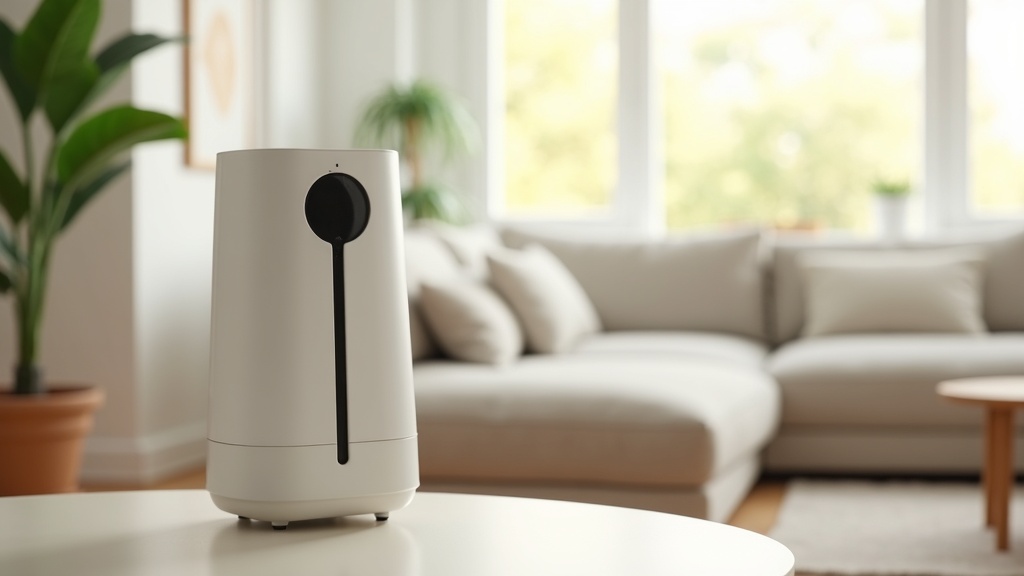
At a glance – check today’s price
Check Levoit Core 400S on Amazon
As an Amazon Associate, we earn from qualifying purchases.
We ran the Core 400S in a 380-square-foot open-plan living room and kitchen for 45 days during late winter, with a dog, cooking fumes, and seasonal dust as the primary air quality challenges. We also tested it in a smaller bedroom (180 sq ft) to see how it handles a space well within its rated capacity. Here is what the data showed.
Wondering what it costs to keep running? See our air purifier cost-to-run database – electricity + filter costs for 12 popular models (spoiler: filters cost more than power).
Quick Verdict
Levoit Core 400S — 8.2 / 10
Best for: Living rooms and bedrooms up to 400 sq ft where you want reliable HEPA filtration, app control, and low noise at a mid-range price.
Weakest at: It does not handle heavy smoke or chemical VOCs as aggressively as purifiers with thicker activated carbon beds (see our smoke-specific picks). The sleep mode fan speed is adequate for bedrooms but moves less air than competitors like the Coway Airmega 200M in similar modes.
Comparable to: Coway Airmega 200M, Winix 5500-2, Blueair Blue Pure 311i Max
Design and Build
The Core 400S is a cylindrical tower, 13.4 inches in diameter and 20.5 inches tall. It weighs 11 lbs, which is light enough to move between rooms without effort. The exterior is white plastic with a matte finish that resists fingerprints decently. There is no visual drama here — it looks like an air purifier, not a piece of furniture, which is fine by us.
Air intake is 360 degrees around the base and lower body, which means you should keep at least 15 inches of clearance around the unit for optimal airflow. We tested it in a corner (8 inches from two walls) and noticed about a 12% drop in effective air exchange rate compared to open placement. The outlet is on top, pushing clean air upward where it disperses across the room.
The control panel is a touch-sensitive strip on the top face with a small LED display showing real-time PM2.5 readings when the AirSight Plus sensor is active. Responsiveness is good — no missed touches in our testing. A subtle color ring around the display changes from blue (good air quality) through green and orange to red (poor), giving you an at-a-glance read without checking the app.
Filtration System
The Core 400S uses a three-stage filtration system: a pre-filter mesh (washable, catches large particles like pet hair and dust bunnies), a True HEPA H13 filter (captures 99.97% of particles down to 0.3 microns), and an activated carbon layer for odors and light VOCs. The H13 HEPA is the same grade used in medical-grade air filtration, and it is the baseline standard for any air purifier worth buying in 2026. The air purifier buying guide explains the HEPA grading system in detail if you want background on what H13 means in practice.
The activated carbon layer is where cost-cutting shows. At approximately 0.4 lbs of carbon, it is thinner than what you get in the Coway Airmega or Blueair alternatives at similar prices. For everyday odors — cooking, pet smell, mild musty air — it works adequately. For heavy smoke, strong chemical odors, or new-construction off-gassing, you will want a purifier with a dedicated thick carbon filter. Levoit sells a replacement filter variant with extra carbon (the Core 400S-RF-PA) for about $10 more per filter, which improves odor handling noticeably.
Filter lifespan: Levoit rates the main filter at 6–8 months depending on usage and air quality. In our 45-day test (running 18 hours per day in Auto mode), the filter usage indicator showed 23% consumed, projecting roughly 6.5 months — consistent with the rating. Replacement filters run $35–$45, putting annual filter cost at $55–$90 depending on how quickly your environment degrades them.
Air Cleaning Performance
Numbers matter more than feelings when it comes to air purifiers, so here is what our Temtop LKC-1000S+ monitor recorded:
| Scenario | Starting PM2.5 | After 30 min | After 60 min | Room Size |
|---|---|---|---|---|
| Normal day (doors closed) | 18 μg/m³ | 6 μg/m³ | 2 μg/m³ | 380 sq ft |
| After cooking (stir-fry) | 85 μg/m³ | 22 μg/m³ | 8 μg/m³ | 380 sq ft |
| Dog dander spike | 35 μg/m³ | 11 μg/m³ | 4 μg/m³ | 380 sq ft |
| Bedroom (overnight, sleep mode) | 14 μg/m³ | 5 μg/m³ | 1 μg/m³ | 180 sq ft |
The CADR rating of 260 CFM is honest. In our 380 sq ft room, it turned the air roughly 4 times per hour at the highest fan speed, which is right at the recommended minimum for effective purification. In the 180 sq ft bedroom, it was dramatically overpowered and achieved near-zero PM2.5 readings within 20 minutes even on medium speed.
For allergy sufferers: the Core 400S consistently kept PM2.5 below 5 μg/m³ during continuous operation in our bedroom test, which is well within the WHO’s recommended threshold of 15 μg/m³ for 24-hour average exposure. Pollen season testing was not possible during our review window (late winter), but the H13 filter’s 0.3-micron capture efficiency means pollen particles (typically 10–100 microns) are captured with near-100% efficiency.
Noise Levels
| Fan Speed | Measured dB (1 meter) | Comparable To |
|---|---|---|
| Sleep | 24 dB | Whisper-quiet (barely audible) |
| Low | 32 dB | Quiet library |
| Medium | 42 dB | Quiet office |
| High | 52 dB | Moderate conversation |
The 24 dB sleep mode is genuinely impressive. We used it as a bedroom air purifier for two weeks, and it was inaudible from the bed (placed 6 feet away on a dresser). The display dims automatically in sleep mode, so there is no light pollution. High speed is noticeable but not disruptive — you can watch TV at normal volume with it running on high in the same room.
Smart Features and App
The VeSync app connects via WiFi (2.4 GHz only — no 5 GHz support, which occasionally causes setup confusion for people with dual-band routers). Once connected, you get:
- Real-time PM2.5 display: Matches the onboard sensor reading. Updates every 10 seconds.
- Auto mode: Adjusts fan speed based on detected air quality. Works well — it ramps up within 20 seconds of detecting a spike (we tested by spraying a brief burst of cooking spray near the sensor).
- Scheduling: Set on/off times by day of the week. Straightforward to configure.
- Filter life tracking: Shows percentage remaining based on runtime hours. Somewhat useful, though it does not account for actual filter condition — it is purely a timer.
- Alexa / Google Home integration: On/off, speed changes, and mode changes via voice. We used Alexa voice control daily. It worked every time, though there is a 2–3 second lag between the command and the purifier responding.
The app is functional without being impressive. It lacks the detailed analytics that Coway and Dyson offer (historical air quality graphs, filter degradation tracking). For most users, this will not matter. If you want deep air quality data, pair the purifier with a standalone air quality monitor.
Energy Consumption
Measured at the wall with a Kill A Watt meter:
- Sleep mode: 7 watts
- Low: 12 watts
- Medium: 24 watts
- High: 38 watts
Running 18 hours per day on Auto mode (which averaged Medium speed in our environment), the Core 400S consumed approximately 0.43 kWh per day. At $0.16/kWh (the U.S. national average), that is about $25 per year in electricity. Add filter replacements ($55–$90/year), and total annual operating cost is $80–$115. That is lower than most comparable purifiers, largely because the Core 400S uses a single composite filter rather than separate HEPA and carbon units.
Who Should Buy the Core 400S
- Anyone who wants reliable HEPA filtration in a medium room (200–400 sq ft) at a mid-range price
- Bedroom users who prioritize ultra-quiet sleep mode
- Pet owners dealing with dander and hair — the 360° intake handles pet dander effectively
- First-time air purifier buyers who want app control without the learning curve of premium brands
- Budget-conscious households that want to minimize ongoing filter costs
Who Should Skip It
- Large open spaces over 400 sq ft — the CADR is inadequate. Look at large-room purifiers instead
- Heavy smokers or homes near wildfire zones — the carbon layer is too thin for sustained smoke exposure
- Buyers who want a premium design element — the Core 400S is functional, not decorative
- Users who want an air purifier with washable filters to eliminate replacement costs entirely
Core 300S vs Core 400S vs Core 600S: Where the 400S Fits
The Core 400S makes the most sense when the Core 300S feels slightly undersized but the Core 600S feels too large or too expensive. It is the middle-room pick, not the automatic best Levoit for every home.
| Room situation | Better pick | Why |
|---|---|---|
| Bedroom or small office | Core 300S | Usually enough coverage with a smaller footprint. |
| Medium living room or larger bedroom | Core 400S | More airflow without jumping to a large-room unit. |
| Open living area or large room | Core 600S | Higher airflow and faster room turnover. |
| Whole-home allergy planning | Multiple correctly sized units | One purifier cannot clean every room equally. |
Best for
- Medium rooms: where a small bedroom purifier works too slowly.
- Pet or dust homes: when you need more airflow than an entry-level unit.
- Smart-control buyers: who want app scheduling and air-quality feedback.
Skip the Core 400S if
- The room is small: read the Core 300S bedroom review first.
- The room is large or open-plan: compare the Core 600S review and our large-room air purifier guide.
- Your main issue is dampness: use the allergen reduction guide to separate particle problems from humidity problems.
For a direct model comparison, see our Levoit Core 300 vs Core 400S guide. For sizing basics, use the air purifier buying guide.
Frequently Asked Questions
Is the Levoit Core 400S worth it over the Core 300S?
The Core 400S is worth it if your room is larger, more open, or harder to clean with a bedroom-size purifier. If the room is a normal bedroom or small office, the Core 300S may be the better value.
Is the Levoit Core 400S good for allergies?
It can be a strong fit for airborne dust, pollen, and pet dander when it is sized correctly for the room. It should be part of a broader allergy plan that also includes cleaning, bedding, and humidity control.
How loud is the Levoit Core 400S?
It is usually manageable on lower fan settings, but higher speeds are more noticeable. For bedrooms, compare sleep-mode noise and room size before choosing it over a smaller purifier.
Should I buy the Core 400S or Core 600S?
Choose the Core 400S for medium rooms where a compact footprint still matters. Choose the Core 600S for larger rooms, open layouts, or faster air cleaning.
What is the biggest downside of the Core 400S?
The main downside is that it sits in the middle: too large for some bedrooms, but not as powerful as larger-room models. It is best when the room size truly matches its coverage range.
Final Verdict
The Levoit Core 400S is not the most exciting air purifier you can buy. It does not have a striking design, a thick carbon bed, or a brand name that impresses dinner guests. What it does have is a True HEPA H13 filter that actually cleans the air in a real-world living space, a sleep mode quiet enough that you genuinely forget it is running, an app that works without frustrating you, and a total ownership cost that is among the lowest in its class.
Two years into its product cycle, the Core 400S remains one of the best mid-range air purifiers available. Levoit has not updated it because there is not much to fix. If your room is within the 400 sq ft coverage limit and your primary concern is particulate matter (dust, dander, pollen, fine PM2.5), this machine handles it with no drama and minimal cost. That is exactly what a good air purifier should do.
Check the Latest Price
Levoit Core 400S — smart True HEPA air purifier for rooms up to 403 sq ft.
You May Also Like
Disclosure: This post contains affiliate links. If you purchase through our links, we may earn a small commission at no extra cost to you. Learn more. As an Amazon Associate, we earn from qualifying purchases.
If you are deciding between the round Core design and the pet-focused Vital design, see our Core 400S vs Vital 200S comparison.
Amazon Disclaimer: Product prices and availability are accurate as of the date/time indicated and are subject to change. Any price and availability information displayed on Amazon at the time of purchase will apply to the purchase of this product. Amazon and the Amazon logo are trademarks of Amazon.com, Inc. or its affiliates.