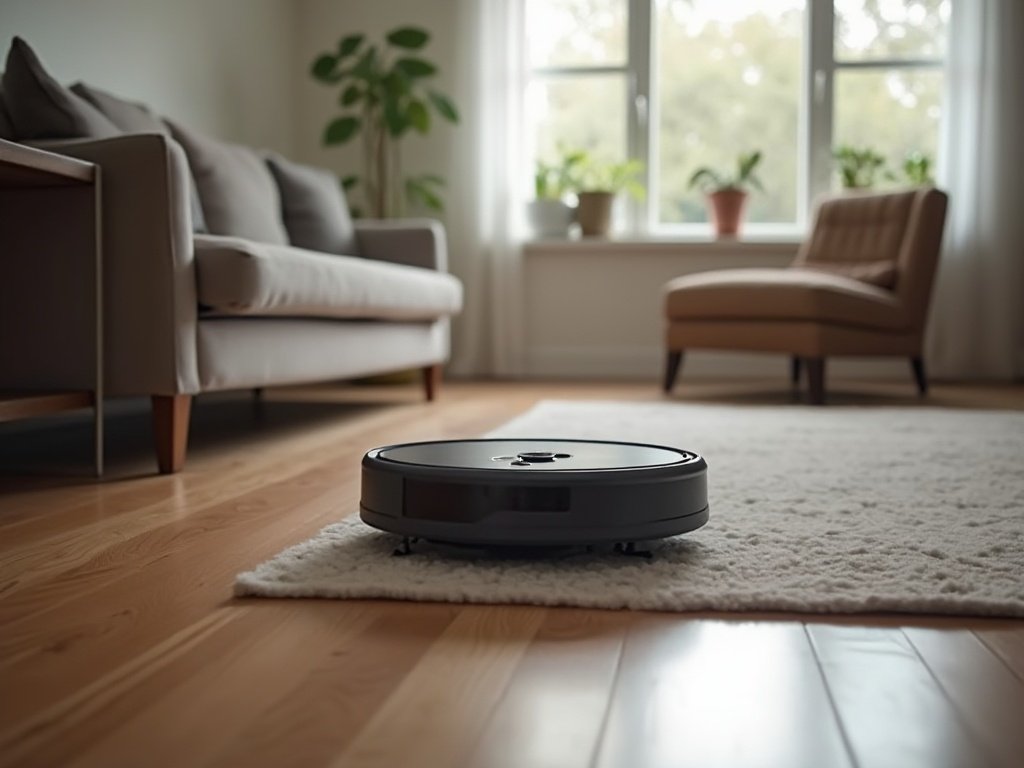
The first robot vacuum I recommend to beginners is rarely the most expensive one. It is the one that will actually run three times a week without getting stuck, needing constant rescue, or turning into another chore.
If you are buying your first robot vacuum, ignore half the feature list at first. Start with rooms, floor type, pet hair, and how much maintenance you are willing to do. Then decide whether mapping, self-emptying, and mopping are worth paying for.
Beginner Buying Map
| Beginner Question | Safe First Choice | Upgrade If |
|---|---|---|
| Small apartment? | Simple budget robot | You want app maps or no-go zones |
| Pets? | Rubber brushroll model | You want self-emptying |
| Lots of rooms? | LiDAR robot | You need multi-floor maps |
| Mostly hard floors? | Budget or midrange model | You want mopping |
| Mostly carpet? | Stronger vacuum-only robot | You need deep pet-hair pickup |
1. Start With The Rooms You Want Cleaned
A robot vacuum does not clean a house. It cleans routes. That means the layout matters more than the marketing headline. A wide living room with hard floors is easy. A crowded dining room with chair legs, rug edges, and cords is much harder.
Skip if: you expect one cheap robot to solve every room, stair, rug, and deep-cleaning job.
2. Do Not Buy On Suction Alone
Suction numbers are easy to advertise and hard to compare. A robot with huge peak suction can still clean poorly if the brush design is weak, the bin clogs, or the navigation misses half the room.
For beginners, reliable coverage beats headline suction. A robot that finishes the room every day is more useful than a stronger robot that gets trapped under the sofa.
3. Think Carefully About Self-Emptying
Self-emptying is not just a luxury feature. For pet owners, it can decide whether the robot stays useful. A tiny dustbin fills quickly with hair, and beginners often underestimate how annoying that gets.
The downside is cost. Dock bags and filters become part of ownership. If you want the math, read the Robot Vacuum Ownership Cost Index before buying.
4. Treat Mopping As A Bonus
Beginner buyers often overvalue mopping. Cheap mopping usually means a damp pad dragged behind the robot. It helps with dust film and fresh footprints, but it does not scrub dried spills.
If you really want mopping, look for mop lift, washable pads, and a dock that manages dirty pads. If you only want cleaner floors with less effort, a better vacuum-only model may be the safer first purchase.
5. Beginner Buying Checklist
- Can it map the rooms you care about?
- Can replacement filters and brushes be bought easily?
- Does it have rubber rollers if you have pets or long hair?
- Will it fit under your sofa, bed, or cabinets?
- Does the dock need bags, filters, water, or cleaning solution?
- Will you still run it if you have to empty the bin every day?
Best First Robot Vacuum by Home Type
Beginners usually regret buying either too cheap or too complicated. The better path is to match the robot to the floor plan first, then decide whether self-emptying or mopping is worth the extra money.
| Beginner situation | Best starting point | Why |
|---|---|---|
| Small apartment | Compact vacuum-mop combo | Space matters more than a giant dock. |
| Pets on hard floors | Self-emptying robot vacuum | Frequent runs and easier bin management matter. |
| Mostly carpet | Vacuum-first model | Mopping features are less useful. |
| Mixed floors and higher budget | Premium mop dock system | Automation can reduce weekly maintenance. |
| Very cluttered rooms | Delay the purchase or choose stronger obstacle handling | Robots work best when floors are prepared. |
Best for beginners
- If you want a simple starter shortlist: read our budget robot vacuum guide.
- If you want vacuuming plus mopping: compare our robot vacuum mop combo picks.
- If you want a premium no-fuss setup: read the Roborock S8 MaxV Ultra review.
- If you are choosing between brands: use the Ecovacs vs Roborock comparison.
Do not buy your first robot vacuum if
- You cannot clear cords and small objects: even good robots need basic floor prep.
- You expect it to replace deep cleaning: a robot is a maintenance tool, not a full upright vacuum replacement.
- You have delicate unsealed floors: be careful with robot mopping and use no-mop zones.
Best Next Step
If you want the safest beginner lane, compare our best robot vacuums under $300. If your budget is tighter, use the under-$200 guide, but keep expectations realistic.
FAQ
What is the best robot vacuum feature for beginners?
Reliable navigation is the best beginner feature. If the robot cannot cover the right rooms without getting stuck, other features do not matter much.
Should my first robot vacuum have a self-empty dock?
Choose self-emptying if you have pets, allergies, or want the robot to run daily. Skip it if you are trying to keep long-term ownership cost low.
Is a robot vacuum worth it in a small home?
Yes. Small homes are often ideal because the layout is easier to cover and a cheaper robot can still be effective.
What should beginners avoid?
Avoid unknown brands with poor parts availability, bristle-only brushes for pet hair, and cheap mop features that promise more than they deliver.
Related Product Check
Beginner-friendly robot vacuums: Start with simple navigation, replaceable parts, and app support before paying for premium extras.
A Beginner Setup That Prevents Regret
For a first robot vacuum, I would start with one main cleaning zone for the first week instead of sending it through the entire home on day one. Pick the kitchen, living room, or bedroom, remove cords and loose socks, and watch where the robot struggles. That short test tells you more than a spec sheet because it exposes chair legs, rug edges, pet bowls, thresholds, and charging-dock placement problems.
Once that room works reliably, add the next room and adjust the schedule. Beginners usually get better results from a robot that runs consistently in three easy rooms than from an expensive model that is expected to solve a cluttered whole-home layout immediately.