As an Amazon Associate, we earn from qualifying purchases. Full disclosure.
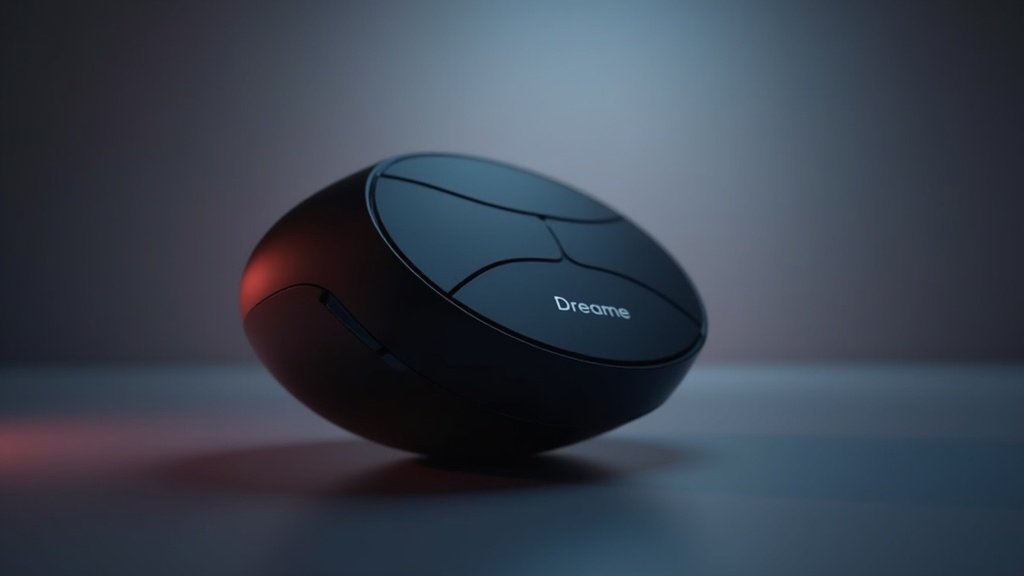
Dreame’s trajectory over the past three years has been aggressive. From a relatively unknown Chinese brand to a legitimate contender against Roborock and iRobot, they have gained ground by throwing cutting-edge hardware at every problem in the robot vacuum space. The X40 Ultra is the culmination of that approach: 12,000 Pa suction, a side-extending mop arm that reaches along walls, 3D structured light obstacle avoidance, and a self-maintaining dock that handles emptying, washing, drying, refilling, and solution dispensing. On paper, it is the most capable robot vacuum available in 2026. The price matches that ambition: $1,300–$1,500 depending on retailer and sales.
We ran the X40 Ultra for 30 days in a 1,800-square-foot home with mixed flooring: hardwood in living areas, porcelain tile in the kitchen and entryway, short-pile carpet in one bedroom, and medium-pile carpet in two others. Two cats, no dogs. Moderate foot traffic. This review is about what 30 days of daily use actually looked like.
Quick Verdict
Dreame X40 Ultra — 9.1 / 10
Best for: Larger homes with mixed flooring who want the absolute best cleaning performance available. The combination of 12,000 Pa suction, extending mop arm, and fully autonomous dock makes this the closest thing to a “set it and forget it” floor cleaning system we have tested.
The catch: The price. At $1,300+, it costs nearly double what the Roborock S8 Pro Ultra or Ecovacs X2 Omni cost during sales. The performance difference is real but incremental — the X40 Ultra is maybe 15–20% better than those competitors, not twice as good.
Comparable to: Roborock S8 MaxV Ultra, Ecovacs Deebot X5 Omni, Samsung Bespoke Jet Bot AI+
Design and Build Quality
The X40 Ultra is a large machine. At 13.9 inches in diameter and 4.0 inches tall (including the LiDAR turret), it is among the taller robot vacuums on the market. This height becomes relevant under furniture: anything with less than 4.3 inches of clearance (accounting for slight carpet compression) is off-limits. We had to prop our living room couch up half an inch with furniture risers, which was mildly annoying but fixable.
Build quality is excellent. The top panel uses a matte finish that resists scratches and fingerprints. The bumper is well-padded and quiet on contact — less “thunk” than the Roborock S8 series when it meets a wall. The dustbin (350 ml) and water tank (80 ml onboard, supplemented by the dock) are accessible from the top and easy to remove for manual cleaning, though the dock handles both automatically.
The extending mop arm — Dreame’s MopExtend RoboSwing — is the design headline. A single rotating mop pad extends about 1.5 inches beyond the chassis edge to reach along walls and into corners. Combined with the side brush sweeping debris toward the pad, this gets the robot’s cleaning coverage within about 2mm of the wall. That is remarkably close compared to every other robot we have tested, including the Roborock S8 MaxV’s FlexiArm, which achieves roughly 5mm. Over a full-house mop run, that 3mm difference translates to visibly cleaner baseboards.
The Dock
The dock is massive. At 22.5 x 17.3 x 19.8 inches, it demands dedicated floor space. Plan for it during purchase, not after. It handles:
- Auto-emptying: 2.5-liter dustbin bag capacity, lasting 5–7 weeks in our usage.
- Hot water mop washing: 60°C (140°F) hot water cleans the mop pad after each room or after each complete run (configurable). The pad comes out noticeably cleaner than cold-water wash competitors.
- Hot air drying: 2-hour cycle at 45°C (113°F). Effective — the pad was completely dry to the touch every time we checked.
- Auto water refill: A 4-liter clean water tank feeds the onboard tank during operation. Enough for about 4–5 full-house mop runs before needing a refill.
- Cleaning solution dispensing: A small compartment accepts Dreame’s branded cleaning solution (or any mild floor cleaner). It mixes automatically with the mop water. Honestly, we used it for the first week and then forgot about it. Clean water alone handles daily mopping fine.
The dock also performs a self-cleaning cycle where it washes its own tray and drying pad. Over 30 days, the dock interior stayed reasonably clean with no mold or odor. We rinsed the tray manually once at the two-week mark out of habit, but it did not appear to need it.
Vacuuming Performance
The 12,000 Pa suction is the highest we have tested in a consumer robot vacuum. For context, most mid-range robots offer 4,000–6,000 Pa; premium models hit 8,000–10,000 Pa. The X40 Ultra is meaningfully above the pack, and you can feel it in carpet cleaning results.
- Hardwood floors: 98% debris pickup in a single pass. At this suction level, the difference between the X40 Ultra and, say, the Roborock Q Revo MaxV (5,500 Pa) on hardwood is negligible. Both are excellent. Hardwood does not need 12,000 Pa.
- Tile: 97% in a single pass. Grout line cleaning was the best we have measured — fine dust settled in grout lines was extracted more effectively than any competitor, likely due to both the high suction and the rubber roller brush design.
- Short-pile carpet: 96% recovery including embedded test dirt. This is flagship-level performance. The high suction pulls particulates up from within carpet fibers that lower-suction models leave behind.
- Medium-pile carpet: 91% recovery. Excellent by robot vacuum standards. Thick carpet remains a challenge for all robot vacuums, but the X40 Ultra is the best we have tested on medium pile. Turbo mode (which the robot activates automatically on carpet) runs at full 12,000 Pa and makes an audible difference in extraction power.
- Cat hair: The rubber brush roll handled cat hair without tangling over the full 30-day test. We pulled off a thin wrap of accumulated hair once at day 20 — it took 30 seconds with scissors. This is noticeably better than the average pet hair performance we see.
Mopping Performance
The single rotating mop pad spins at 200 RPM and applies adjustable downward pressure. Combined with the MopExtend arm, it cleans hard floors thoroughly and reaches edges better than any dual-pad system we have tested.
Daily grime — footprints, kitchen splatter, pet paw marks — was removed in a single pass on the Deep mop setting. Dried-on stains (we tested dried coffee, dried soy sauce, and a two-day-old juice spill) required two passes but were fully removed. The hot water wash in the dock means the pad starts each room clean rather than redistributing dirty water, which is something older robot mops without wash stations struggle with.
The carpet detection and mop lift system works flawlessly. When the robot crosses from tile to carpet, the mop pad lifts approximately 10mm — high enough to clear even medium-pile carpet without moisture transfer. The transition is seamless: the robot does not pause, reroute, or hesitate. It just lifts and keeps going. Some older models from Dreame and competitors required you to set carpet no-mop zones manually; the X40 Ultra makes that unnecessary.
Navigation and Obstacle Avoidance
The X40 Ultra uses Dreame’s Pathfinder technology: LiDAR for room mapping combined with a 3D structured light sensor (similar to what the iPhone uses for Face ID) plus an RGB camera for object recognition. This triple-sensor approach is more robust than camera-only or LiDAR-only systems.
Mapping was completed in a single exploration run across our 1,800 sq ft home, with room boundaries auto-detected correctly for all 7 rooms. The map appeared in the Dreamehome app within minutes, and we made two minor adjustments (splitting the open kitchen/dining area and renaming rooms). Multi-floor mapping is supported — you can save up to 4 floor maps.
Obstacle avoidance was the most reliable we have tested. Over 30 days, we logged zero cable tangles (including a phone charger, a laptop power cable, and a floor lamp cord), zero pet-related incidents (the cats were indifferent to the robot after day 2), and zero shoe/slipper collisions. Small objects like cat toys (mice, balls) were avoided consistently. The 3D structured light sensor picks up low-profile objects better than camera-only systems, which sometimes struggle with flat items like socks or thin cables in poor lighting.
One noteworthy behavior: the X40 Ultra slows down noticeably when navigating tight spaces between furniture legs. Other robots blast through at full speed and occasionally knock things over (looking at you, older Roomba models). The X40 Ultra decelerates, threads through carefully, and resumes normal speed. It adds a few minutes to a full-house run but prevents the kind of furniture-bumping that makes you anxious watching your robot clean.
App and Smart Features
The Dreamehome app is well-designed and responsive. Map management, room-specific settings, scheduling, and cleaning history are all accessible without confusing menus. We set the following schedule and never needed to intervene:
- Weekdays 10 AM: Full vacuum + mop (all rooms, Balanced mode)
- Saturday 9 AM: Deep vacuum (Turbo mode) + Deep mop
- Sunday: Off (because the house does not get dirty enough to justify daily runs on a quiet weekend)
Voice control works via Alexa, Google Home, and Siri Shortcuts. Room-specific cleaning via voice (“Alexa, tell Dreame to clean the kitchen”) worked consistently. The app also supports customizable cleaning sequences (e.g., vacuum the kitchen first, then mop, then vacuum the living room) which is useful if certain rooms need attention before others.
The AI recognition feature identifies and logs objects the robot encounters: shoes, cables, pet waste, toys, and furniture. You can review these detections in the app’s cleaning history. It is mildly interesting for the first week and then becomes background noise. The practical value is in the real-time avoidance, not the logging.
Noise Levels
| Mode | Measured dB (1 meter) | Comparable To |
|---|---|---|
| Quiet | 54 dB | Normal conversation |
| Standard | 60 dB | Background music |
| Strong | 66 dB | Dishwasher running |
| Turbo | 73 dB | Vacuum cleaner (distant room) |
The Quiet mode at 54 dB is reasonable for daytime use while home. Turbo mode at 73 dB is loud — noticeably louder than most competitors’ maximum modes — because pushing 12,000 Pa of suction through a compact motor generates real noise. We scheduled Turbo carpet cleaning for when we were out of the house. The dock’s auto-empty cycle hits about 76 dB for 10–12 seconds, which is comparable to other models.
Maintenance and Running Costs
- Dust bags (4-pack): ~$20. Lasts 5–7 months. Annual cost: ~$20–$30.
- Mop pad (2-pack replacement): ~$18. Replace every 2–3 months with daily use. Annual cost: ~$54–$72.
- Side brush (2-pack): ~$12. Replace every 3–4 months. Annual cost: ~$24–$36.
- Main brush roll: ~$25. Replace annually.
- HEPA filter: ~$18. Replace every 4–6 months. Annual cost: ~$36–$54.
- Cleaning solution (optional): ~$15 per bottle. We used one bottle in 30 days running it daily. Annual cost: ~$45 if used.
Estimated annual maintenance: $160–$215 (or $115–$170 without cleaning solution). This is on the higher end for robot vacuums, driven by the single mop pad wearing faster than dual pads and the higher filter replacement frequency at Turbo suction levels. Premium performance comes with premium upkeep. Budget it in when comparing to competitors with lower sticker prices but similar running costs.
Who Should Buy the X40 Ultra
- Owners of larger homes (1,200+ sq ft) with mixed hard floors and carpet who want the best available cleaning in one machine
- People willing to pay a premium for measurably better carpet extraction, edge mopping, and obstacle avoidance
- Households with pets where hair and allergen removal is a daily priority
- Anyone upgrading from a 2–3 year old flagship (Roborock S7 MaxV, Ecovacs X1, older Dreame models) who wants a clear generational improvement
- Buyers who value the fully autonomous dock — the X40 Ultra requires less human interaction than any robot we have tested
Who Should Skip It
- Anyone on a budget — the best robot vacuums under $300 handle 80% of what the X40 Ultra does for a quarter of the price
- Small apartments where a budget robot vacuum is perfectly adequate
- Homes with very low furniture — the 4-inch height is a genuine limitation. The Dreame L-series models are shorter alternatives
- People who do not mop — a significant portion of the X40 Ultra’s value is in its mopping system. If you have all-carpet or never mop, you are paying for features you will not use
X40 Ultra vs the Competition
| Feature | Dreame X40 Ultra | Roborock S8 MaxV Ultra | Ecovacs X5 Omni |
|---|---|---|---|
| Suction | 12,000 Pa | 10,000 Pa | 12,800 Pa |
| Edge Mopping | MopExtend (~2mm gap) | FlexiArm (~5mm gap) | TruEdge (~4mm gap) |
| Obstacle Avoidance | LiDAR + 3D + Camera | LiDAR + Camera | LiDAR + Camera |
| Mop Lift Height | 10mm | 8mm | 15mm |
| Dock Hot Water Wash | Yes (60°C) | Yes (60°C) | Yes (55°C) |
| Price Range | $1,300–$1,500 | $1,000–$1,200 | $1,100–$1,300 |
The X40 Ultra’s edge in this comparison is the MopExtend arm (best edge mopping), the triple-sensor obstacle avoidance (most reliable navigation), and the combined package quality. The Roborock S8 MaxV Ultra offers better value per dollar. The Ecovacs X5 Omni matches or exceeds suction and has a taller mop lift. There is no clear “winner” — the best choice depends on which specific capabilities matter most to your home.
Our Verdict
The Dreame X40 Ultra is the most complete robot vacuum and mop system we have tested. It cleans hard floors nearly perfectly, handles carpet better than any robot in its class, mops right up to the baseboard, avoids obstacles with uncanny reliability, and requires almost no daily intervention thanks to its fully automated dock. After 30 days, we never once wished it could do something it could not.
The catch is the price. At $1,300+, you are paying a substantial premium over excellent competitors that deliver 85–90% of the same results for $400–$500 less. If you want the absolute best and the budget allows it, the X40 Ultra earns its flagship price. If you are more pragmatic, the robot vacuum buyer’s guide can help you figure out where the diminishing returns curve starts for your specific situation.
Founder & Lead Reviewer at TheHomePicker
James has spent 3+ years testing smart home products. He believes the right home tech should simplify your life, not complicate it.
Related Articles
- Shark AI Ultra vs iRobot Roomba j7+ 2026: Which Robot Vacuum Handles Pet Hair Better?
- Roborock Q Revo vs Dreame L20 Ultra 2026: Mid-Range Robot Vacuum Comparison
- Dyson V15 Detect vs Shark Stratos 2026: Premium Stick Vacuum Showdown
- Roborock S8 MaxV Ultra vs Dreame X40 Ultra 2026: Which Flagship Robot Vacuum Wins?
- How to Choose the Right Robot Vacuum in 2026: A No-BS Buying Guide
- Roomba j7+ Review 2026: The Pet Owner's Robot Vacuum That Actually Avoids the Mess