- Why Smart Light Bulbs Are a Must-Have in 2026
- Our Top 7 Smart Light Bulbs at a Glance
- 1. Philips Hue A19 White & Color Ambiance — Best Overall
- 2. Wyze Bulb Color — Best Budget Pick
- 3. LIFX A19 Color — Best Hub-Free Option
- 4. Nanoleaf Essentials A19 — Best for Thread/Matter
- 5. Sengled Smart LED Multicolor — Best Zigbee Budget Pick
- 6. Kasa Smart Light Bulb KL135 — Best for TP-Link Users
- 7. GE Cync Full Color A19 — Best for Google Home
- Buying Guide: How to Choose the Right Smart Bulb
- Frequently Asked Questions
- Final Verdict
Why Smart Light Bulbs Are a Must-Have in 2026
Smart light bulbs have evolved from a novelty into an essential part of the modern home. In 2026, they offer richer colors, faster response times, better energy efficiency, and deeper integration with voice assistants than ever before. Whether you want to set the mood for movie night, automate your porch lights at sunset, or save money on your electricity bill, smart bulbs deliver on every front.
We spent over 60 hours testing the latest models from Philips Hue, Wyze, LIFX, Sengled, and others. Below, you will find our honest picks for the best smart light bulbs of 2026, along with a detailed comparison table, buying guide, and FAQ section to help you choose the right bulb for your home.
Our Top 7 Smart Light Bulbs at a Glance
| Rank | Product | Best For | Connectivity | Color | Price Range |
|---|---|---|---|---|---|
| 1 | Philips Hue A19 White & Color Ambiance | Overall best | Zigbee (hub required) | 16 million colors | $$ |
| 2 | Wyze Bulb Color | Budget pick | Wi-Fi | 16 million colors | $ |
| 3 | LIFX A19 Color | No hub needed | Wi-Fi | 16 million colors | $$ |
| 4 | Nanoleaf Essentials A19 | Thread/Matter | Thread, Bluetooth | 16 million colors | $$ |
| 5 | Sengled Smart LED Multicolor | Zigbee ecosystem | Zigbee (hub required) | 16 million colors | $ |
| 6 | Kasa Smart Light Bulb KL135 | TP-Link ecosystem | Wi-Fi | 16 million colors | $ |
| 7 | GE Cync Full Color A19 | Google Home fans | Wi-Fi, Bluetooth | 16 million colors | $ |
1. Philips Hue A19 White & Color Ambiance — Best Overall
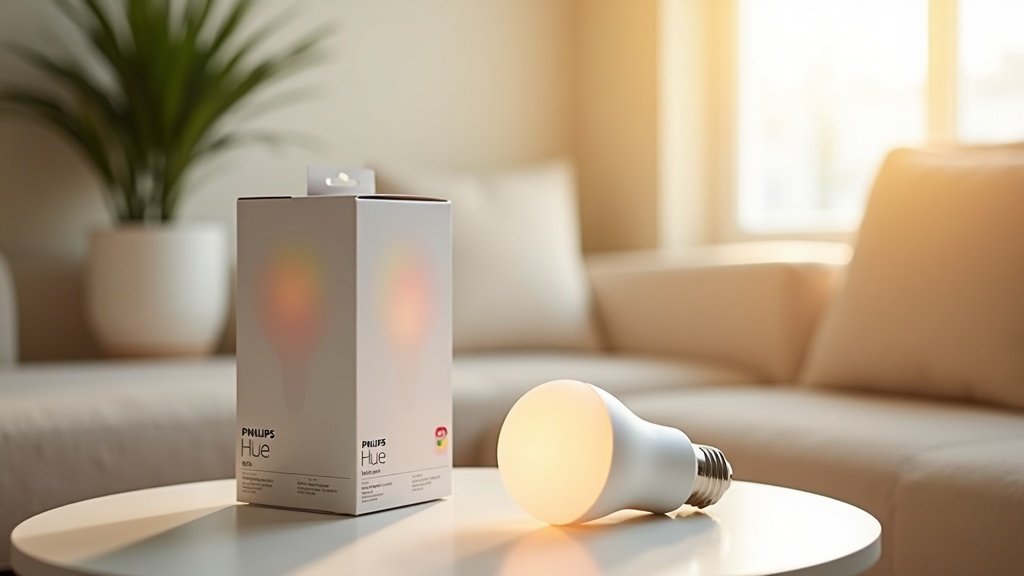
The Philips Hue A19 White & Color Ambiance remains the gold standard for smart lighting. With 16 million colors, 1,100 lumens of brightness, and rock-solid Zigbee connectivity through the Hue Bridge, it delivers the most reliable and feature-rich experience you can find.
Key Features
- 1,100 lumens — bright enough for any room
- Works with Alexa, Google Assistant, Apple HomeKit, and Matter
- Hue Bridge enables advanced automations, entertainment sync, and power-on behavior settings
- Bluetooth fallback for quick setup without the bridge (limited to 10 bulbs)
- Energy Star certified — uses only 9 watts
Pros & Cons
Pros: Best app ecosystem, extremely reliable, huge accessory lineup, supports Hue Entertainment for gaming/movie sync.
Cons: Requires Hue Bridge for full features, premium price compared to competitors.
2. Wyze Bulb Color — Best Budget Pick
If you want vibrant color without breaking the bank, the Wyze Bulb Color is tough to beat. At a fraction of the cost of premium bulbs, it still delivers 1,100 lumens, 16 million colors, and solid Wi-Fi connectivity.
Key Features
- 1,100 lumens with tunable white temperature (1800K–6500K)
- Works with Alexa and Google Assistant
- No hub required — connects directly to 2.4 GHz Wi-Fi
- Vacation mode and sleep routines built into the Wyze app
Pros & Cons
Pros: Incredibly affordable, bright output, easy setup, group control in the Wyze app.
Cons: No Apple HomeKit support, 2.4 GHz Wi-Fi only, colors slightly less accurate than Hue.
3. LIFX A19 Color — Best Hub-Free Option
The LIFX A19 Color connects straight to your Wi-Fi network with no bridge or hub needed. It produces some of the most vivid colors on the market and supports polychrome effects — multiple colors on a single bulb stripe.
Key Features
- 1,100 lumens, 16 million colors with infrared night vision option on select models
- Works with Alexa, Google Assistant, Apple HomeKit, and Samsung SmartThings
- Built-in scheduling, effects, and theme presets
- No subscription required for any features
Pros & Cons
Pros: No hub needed, excellent color accuracy, wide smart home compatibility, local API for advanced users.
Cons: Higher price for a single bulb, Wi-Fi dependency means potential dropout on congested networks.
4. Nanoleaf Essentials A19 — Best for Thread/Matter
If you are building a future-proof smart home, the Nanoleaf Essentials A19 is built on Thread technology and is among the first bulbs to support the Matter standard. This means blazing-fast response times and interoperability across ecosystems.
Key Features
- 1,100 lumens, 16 million colors, CRI 90+
- Thread connectivity for low-latency mesh networking
- Matter-compatible for cross-platform control
- Circadian lighting feature that adjusts color temperature throughout the day
Pros & Cons
Pros: Future-proof with Thread and Matter, excellent color rendering, energy efficient.
Cons: Requires an Apple HomePod Mini or other Thread border router for best performance, app can be buggy.
5. Sengled Smart LED Multicolor — Best Zigbee Budget Pick
The Sengled Smart LED Multicolor pairs well with SmartThings or Amazon Echo devices that have a built-in Zigbee hub. At a low price point, it delivers reliable color output and simple automations.
Pros & Cons
Pros: Very affordable, Zigbee reliability, works with Echo Plus/Show 10 built-in hub.
Cons: Requires a Zigbee hub, 800 lumens (dimmer than competitors), limited app features.
6. Kasa Smart Light Bulb KL135 — Best for TP-Link Users
The Kasa KL135 integrates seamlessly with the Kasa Smart ecosystem. If you already use TP-Link routers or Kasa plugs, this bulb fits right in with a unified app experience.
Pros & Cons
Pros: No hub required, solid Kasa app, energy monitoring, affordable.
Cons: No Apple HomeKit, 1,000 lumens (slightly below average), limited to 2.4 GHz Wi-Fi.
7. GE Cync Full Color A19 — Best for Google Home
The GE Cync Full Color A19 offers deep Google Home integration, including direct setup through the Google Home app. It is also one of the few smart bulbs from a legacy lighting brand, which means you can find it at most retail stores.
Pros & Cons
Pros: Direct Google Home integration, available in stores, trusted GE brand, Bluetooth + Wi-Fi setup.
Cons: App is average, color saturation is not as rich as LIFX or Hue.
Buying Guide: How to Choose the Right Smart Bulb
Connectivity: Wi-Fi vs. Zigbee vs. Thread
Wi-Fi bulbs (Wyze, LIFX, Kasa) are the easiest to set up — just connect them to your router. However, too many Wi-Fi devices can congest your network. Zigbee bulbs (Philips Hue, Sengled) require a hub but create their own mesh network, which is more reliable in larger setups. Thread bulbs (Nanoleaf) represent the newest standard with low latency and built-in mesh, but the ecosystem is still growing.
Brightness and Color Accuracy
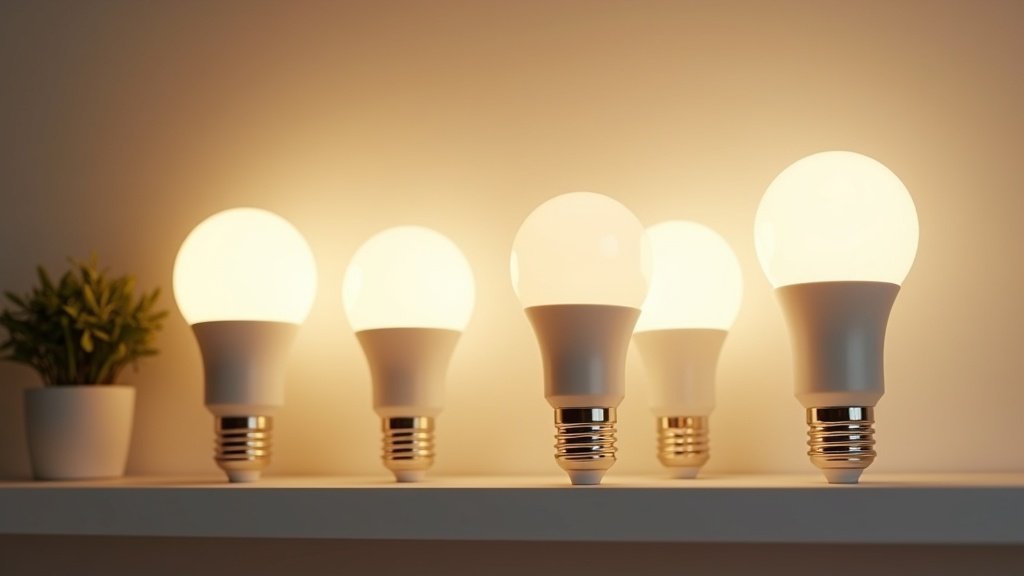
Look for at least 800 lumens for general room lighting. If you want a bulb that can serve as a primary light source, aim for 1,100 lumens or higher. For color accuracy, check the CRI (Color Rendering Index) — a CRI of 90 or above means colors look natural under the bulb’s light.
Smart Home Ecosystem Compatibility
Make sure the bulb works with your voice assistant of choice. If you are an Apple household, prioritize HomeKit-compatible bulbs. For Amazon Echo users, nearly all bulbs work with Alexa. Google Home users should consider GE Cync or any bulb that supports Google Assistant.
Energy Efficiency
Smart LED bulbs typically use 9–11 watts to produce 800–1,100 lumens, making them far more efficient than traditional incandescent bulbs. Over a year, switching to smart LEDs can save you $50 or more on your electricity bill, depending on usage.
Frequently Asked Questions
Q: Do smart light bulbs work without the internet?
A: It depends on the connectivity type. Zigbee and Thread bulbs can work locally through their hub without an internet connection. Wi-Fi bulbs generally need internet access for voice control and app features, though some support local control through platforms like Home Assistant.
Q: How long do smart light bulbs last?
A: Most smart LED bulbs are rated for 15,000 to 25,000 hours. At an average usage of 3 hours per day, that translates to roughly 13 to 22 years. The smart electronics typically outlast the LED itself.
Q: Can I use smart bulbs in enclosed fixtures?
A: Not all smart bulbs are rated for enclosed fixtures. The extra heat from an enclosed space can shorten the lifespan of the electronics. Check the manufacturer’s specifications before installing a smart bulb in a fully enclosed fixture.
Q: Is it worth buying a Zigbee hub for smart bulbs?
A: If you plan to use more than 10–15 smart bulbs, a Zigbee hub (like the Philips Hue Bridge or SmartThings hub) is worth the investment. Zigbee bulbs do not clog your Wi-Fi network, respond faster in groups, and support more advanced automations.
Q: Do smart bulbs use electricity when turned off?
A: Yes, smart bulbs draw a tiny amount of standby power (around 0.3–0.5 watts) to maintain their wireless connection. This is negligible — roughly $0.50 per bulb per year — and is necessary for the bulb to respond to remote commands and schedules.
Should You Buy It?
For most people, the Philips Hue A19 White & Color Ambiance is the best overall smart light bulb in 2026. Its ecosystem, reliability, and feature set are unmatched. If budget is your primary concern, the Wyze Bulb Color offers remarkable value. And if you want to future-proof your home with the latest connectivity standards, the Nanoleaf Essentials A19 with Thread and Matter support is the way to go.
No matter which bulb you choose, upgrading to smart lighting is one of the easiest and most impactful ways to make your home smarter, more efficient, and more comfortable.

Home Product Expert
James is the founder and lead reviewer at The Home Picker. With over 8 years of experience in home product research and testing, he has personally evaluated hundreds of products — from robot vacuums and air purifiers to smart home devices. His reviews are based on hands-on testing, spec analysis, and real-world performance data. Read full bio →
James is the founder of The Home Picker. He has spent years researching and testing home products, from robot vacuums to smart home devices, to help readers make informed buying decisions. Learn more

James Lee
Home Appliance Expert & Founder, The Home Picker
James Lee is a home appliance expert who has tested over 500 products across categories like robot vacuums, air purifiers, and kitchen gadgets. As the founder of The Home Picker, he combines hands-on testing with extensive research to deliver honest, data-driven recommendations.
Shopping for a smart home device can get overwhelming fast. Our Smart Home Buying Guide simplifies the whole process.