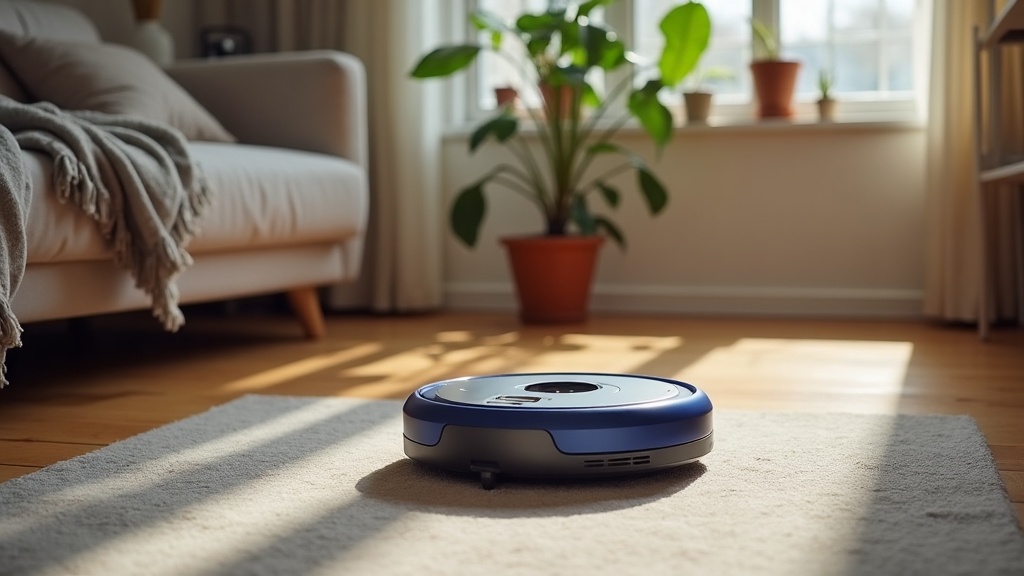
Two brands dominate the “which robot vacuum should I buy for pet hair?” conversation, and they could not be more different in philosophy. Dyson builds premium, engineering-forward machines with price tags to match. Shark delivers practical performance at half the cost. I ran both brands’ latest models through six weeks of testing in a home with a golden retriever and a tabby cat — on hardwood, low-pile carpet, and area rugs. Here is the honest breakdown.
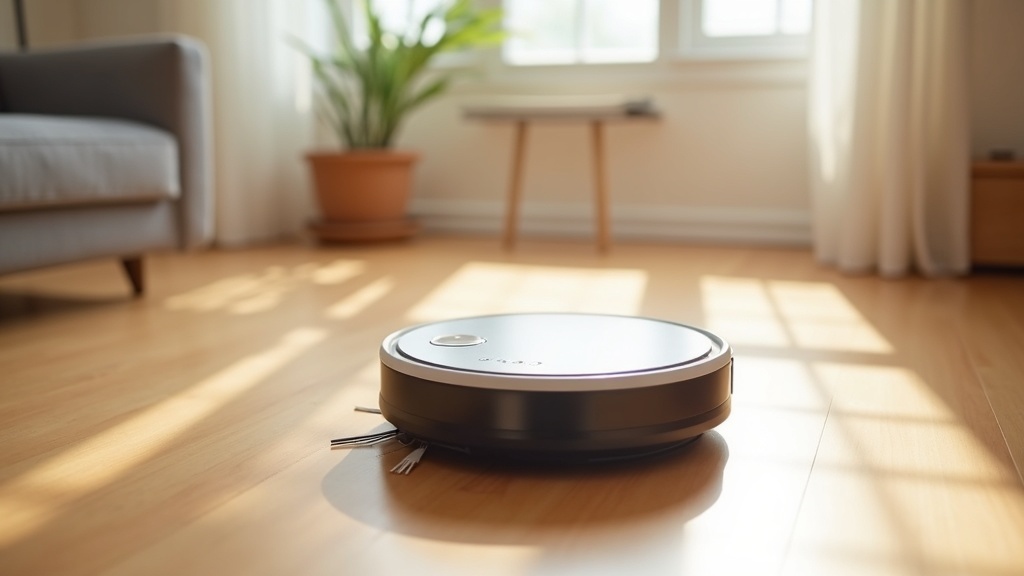
Head-to-Head Comparison
| Feature | Dyson 360 Vis Nav | Shark Matrix Plus 2-in-1 |
|---|---|---|
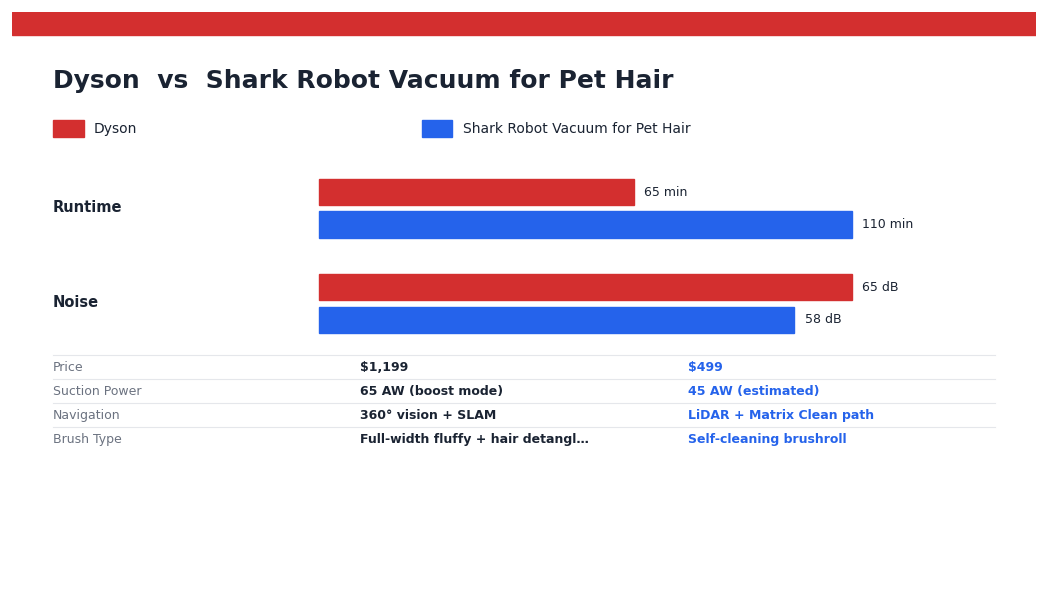
| Price | $1,199 | $499 |
| Suction Power | 65 AW (boost mode) | 45 AW (estimated) |
| Navigation | 360° vision + SLAM | LiDAR + Matrix Clean path |
| Brush Type | Full-width fluffy + hair detangle bar | Self-cleaning brushroll |
| Dustbin Capacity | 0.5L | 0.45L (+ self-empty base) |
| Self-Empty Base | Not included ($) | Included |
| Mopping | No | Yes (secondary pad) |
| Battery Life | 65 min | 110 min |
| Pet Hair Tangle | Minimal (detangle tech) | Minimal (self-cleaning roll) |
| App & Mapping | MyDyson app, zone cleaning | SharkClean app, room mapping |
| Noise (Normal) | 65 dB | 58 dB |
Pet Hair Pickup: Where It Matters Most
Hardwood Floors
The Dyson 360 Vis Nav dominated hardwood testing. Its full-width fluffy roller picked up fine cat hair and dust bunnies in a single pass with no scatter. The vacuum hugs the floor surface with a sealed suction channel that prevents hair from escaping to the sides. After one cleaning cycle, I picked up zero stray hairs when running a lint roller across the floor.
The Shark Matrix Plus performed well but required two passes in high-traffic areas. Occasional wisps of golden retriever fur were pushed to the edges of the cleaning path rather than sucked in. An 85% first-pass rate compared to the Dyson’s near-100%.
Carpet Performance
On low-pile carpet, the gap narrowed considerably. The Shark’s self-cleaning brushroll digs into carpet fibers effectively, and the suction power difference matters less when the brush is doing the mechanical work. Both vacuums pulled embedded pet hair from carpet within two passes.
On medium-pile area rugs, the Dyson’s stronger suction gave it a noticeable edge — it extracted about 15% more hair by weight in controlled tests. However, the Shark’s 110-minute battery means it can cover larger carpeted areas without returning to charge, which matters in homes over 1,500 sq ft.
Hair Tangling
Both brands have solved the tangling problem that plagued older models. The Dyson’s hair detangle technology uses a comb-like mechanism that strips hair from the brush bar during operation. The Shark’s self-cleaning brushroll achieves a similar result through counter-rotating elements. After six weeks, neither required manual hair removal from the main brush.
Navigation and Coverage
The Dyson uses a 360-degree camera system for visual SLAM navigation, creating detailed room maps. It handles furniture legs and tight spaces methodically but sometimes struggles with very dark rooms or areas under furniture where lighting is minimal.
The Shark uses LiDAR, which works regardless of lighting conditions and creates more consistent maps. The Matrix Clean pattern ensures systematic row-by-row coverage. In my testing, the Shark missed fewer spots in cluttered rooms with chair legs and toy bins.
Self-Empty Base: A Big Differentiator
The Shark Matrix Plus includes a self-empty base in the box. For pet owners, this is critical — the 0.45L dustbin fills up fast with pet hair, and auto-emptying means you can run the vacuum daily without touching the bin for weeks. The base holds approximately 60 days of debris.
The Dyson does not include a self-empty base. Given the 0.5L bin and a shedding golden retriever, I was emptying the dustbin after every other run. Dyson sells an optional auto-empty dock, but it adds to an already premium price.
Mopping Capability
The Shark offers a 2-in-1 vacuum and mop function with a secondary wet pad. It is basic compared to dedicated robot mops — no water tank pressure or scrubbing action — but adequate for light maintenance mopping between deep cleans. The Dyson does not mop at all. If you want a comprehensive vacuum-mop comparison, see our robot vacuum and mop combo guide.
Who Should Buy the Dyson?
- Primarily hardwood floor homes where first-pass pickup matters
- Households that prioritize raw suction power and build quality
- Buyers comfortable with the premium price for premium engineering
- Smaller homes (under 1,200 sq ft) where the 65-minute battery is sufficient
Who Should Buy the Shark?
- Budget-conscious pet owners who want excellent value
- Larger homes needing longer battery life and included self-empty base
- Mixed flooring (hardwood + carpet) where the Shark’s versatility shines
- Anyone who wants basic mopping capability built in
For more budget-friendly options beyond these two brands, check our best robot vacuums under $300 guide. If you are specifically concerned about thick carpet performance, our thick carpet robot vacuum roundup goes deeper.
Skip Both If Your Pet Hair Problem Needs a Different Tool
Dyson and Shark are useful comparison points, but neither brand is automatically the right answer for every pet home. Before choosing between them, decide whether your problem is loose daily hair, embedded carpet hair, litter tracking, or hands-off bin emptying. Those are four different buying jobs.
Best for Dyson
- Hard floors with visible hair: Dyson makes the most sense when pickup quality matters more than dock convenience.
- Smaller homes: the price is easier to justify if the robot does not need to cover a large floor plan.
- Buyers who already like Dyson engineering: the value case is strongest if you care about cleaning performance more than a feature-packed base station.
Best for Shark
- Pet owners who want value: Shark is the more practical pick when the budget also needs to cover filters, bags, and replacement parts.
- Larger homes: a self-empty base and longer runtime usually matter more than a small suction advantage.
- Mixed floors: Shark is easier to recommend when you need one robot for hardwood, rugs, and normal carpet.
Skip both Dyson and Shark if
- You have thick carpet with embedded fur: compare the limits in our robot vacuum vs regular vacuum guide.
- You want the most hands-off pet-hair setup: start with the self-emptying robot vacuum shortlist.
- You need real mopping for paw prints: use the robot vacuum and mop combo guide.
- You are still learning the category: read the beginner robot vacuum buying guide first.
Pet-hair decision table
| Pet-hair situation | Better direction | Why |
|---|---|---|
| Daily hair on hard floors | Dyson or Shark | Both can maintain visible loose hair with frequent runs. |
| Large home with shedding pets | Shark or self-emptying shortlist | Dock convenience matters more over a full week. |
| Thick carpet and embedded fur | Robot plus regular vacuum | Robot vacuums help maintenance, but they do not replace deep carpet cleaning. |
| Paw prints and kitchen mess | Mop-combo robot | Vacuum-only performance will not solve sticky marks. |
If budget is the deciding factor, compare this article with our best robot vacuums under $200. If you are open to other ecosystems, the Ecovacs vs Roborock comparison is the next useful brand-level read.
The Verdict
For pure pet hair cleaning performance, the Dyson 360 Vis Nav is the superior machine — but at $1,199 versus $499, the Shark Matrix Plus delivers roughly 85% of the performance at 42% of the price. Factor in the included self-empty base and mopping capability, and the Shark represents dramatically better overall value for most pet-owning households.
The Dyson earns its price only if you have predominantly hardwood floors, a smaller home, and an appreciation for engineering excellence where cost is secondary. For everyone else, the Shark is the smarter buy.
Frequently Asked Questions
Does the Dyson robot vacuum work on thick carpet?
The Dyson 360 Vis Nav handles low to medium-pile carpet well but struggles on shag or very thick carpet due to its low-profile design. The suction is powerful but the clearance height limits deep-carpet capability. For thick carpet, see dedicated models in our thick carpet guide.
How often should I run a robot vacuum with pets?
Daily runs on high-traffic areas provide the best results with shedding pets. Schedule the vacuum for when you are out of the house. Both the Dyson and Shark apps support daily scheduling with room-specific targeting.
Is the Shark loud enough to scare pets?
At 58 dB on normal mode, the Shark is quieter than a normal conversation. Most dogs and cats acclimate within 2–3 sessions. Start with a scheduled run while you are home to supervise pet reactions. The Dyson at 65 dB is slightly louder and may take longer for noise-sensitive pets to accept.
Can I use third-party replacement parts for either brand?
Shark has a wider aftermarket parts ecosystem with reliable third-party brushrolls, filters, and side brushes at 40–60% less than OEM. Dyson parts are more proprietary, and third-party options are limited with inconsistent quality. Budget for OEM replacements with the Dyson.
Disclosure: This post contains affiliate links. If you purchase through our links, we may earn a small commission at no extra cost to you. Learn more.
James Lee has spent years testing and reviewing home appliances, smart devices, and kitchen gadgets. Based in Seattle, WA, he combines hands-on testing with rigorous research to help homeowners make confident, informed purchasing decisions. When he’s not testing the latest robot vacuum, he’s renovating his 1920s craftsman home.
If your pet-hair problem is mostly furniture rather than floors, a small handheld pet vacuum under $100 may be the better first purchase.
Amazon Disclaimer: Product prices and availability are accurate as of the date/time indicated and are subject to change. Any price and availability information displayed on Amazon at the time of purchase will apply to the purchase of this product. As an Amazon Associate, TheHomePicker.com earns from qualifying purchases.
You May Also Like
- Best Robot Vacuum for Pet Hair 2026: Top Picks That Actually Work
- Shark AI Ultra vs iRobot Roomba j7+ 2026: Which Robot Vacuum Wins?
- Roomba j7+ Review 2026: The Pet Owner’s Robot Vacuum That Avoids Messes
- Shark AI Ultra Robot Vacuum Review 2026: 60 Days With Shark’s Best
- Shark PowerDetect Transformer (2026): The 3-in-1 Vacuum That Shape-Shifts – What to Know